

Arunachal Pradesh Emerges as a Key Player in India’s Geothermal Energy Ambitions
India has made significant strides in enhancing its renewable energy portfolio, with its installed capacity soaring to 275 gigawatts (GW), up from 136 GW in 2020. This impressive growth brings the...

India has made significant strides in enhancing its renewable energy portfolio, with its installed capacity soaring to 275 gigawatts (GW), up from 136 GW in 2020. This impressive growth brings the nation closer to its ambitious target of achieving 500 GW by 2030. However, a notable absence in this renewable mix has been geothermal energy, which is now gaining attention as the country aims to fulfill its commitment to net-zero emissions by 2070.
The Indian government is increasingly recognizing the importance of geothermal energy as a reliable, round-the-clock energy source to complement the intermittent nature of solar and wind power. In line with this, a comprehensive policy for geothermal energy generation was unveiled last year. By 2024, India is projected to have a geothermal capacity potential of approximately 10.6 GW, derived from 381 identified hot springs across the country.
Geothermal energy, which harnesses the Earth’s internal heat, has the ability to provide consistent electricity, direct heating solutions, and energy storage capabilities. A recent study revealed that geothermal projects globally had an average utilization rate exceeding 75% in 2023, significantly outperforming wind and solar energy initiatives.
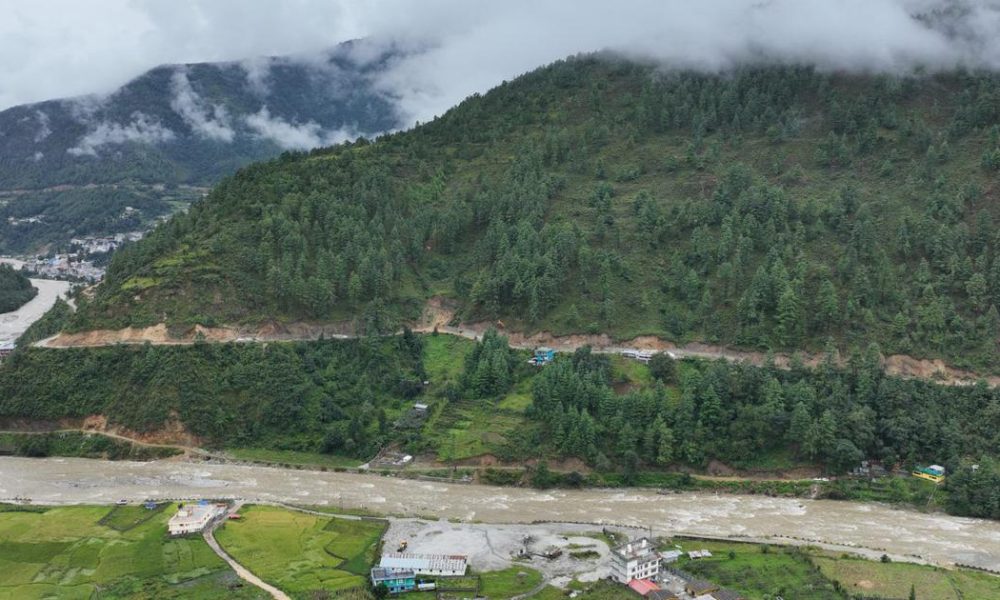
Among the most promising locations for geothermal energy development is Arunachal Pradesh, nestled in the Eastern Himalayas. This northeastern state is rich in unexplored hot springs and is estimated to contribute around 2 GW to India’s geothermal potential. Tana Tage, the director of the Centre for Earth Sciences and Himalayan Studies (CESHS), an autonomous body under Arunachal Pradesh’s Department of Science and Technology, emphasizes the state’s unique position in the geothermal landscape.
In a significant milestone, the CESHS drilled the first geothermal production well in northeast India, located in Dirang, in May 2025. This project not only marks a turning point for the region but also reflects India’s broader commitment to exploring renewable energy sources. As the world grapples with the impacts of climate change, the shift toward geothermal energy in Arunachal Pradesh could serve as a crucial step in enhancing energy security and sustainability.
Source: scroll.in







No Comment! Be the first one.