

Unveiling the Struggles of Samu’a: An Israeli Activist’s Insights from the Occupied West Bank
The plight of Palestinian villages under occupation often goes unnoticed, yet the experiences reported by activists shed light on the daily challenges faced by these communities. One such village,...

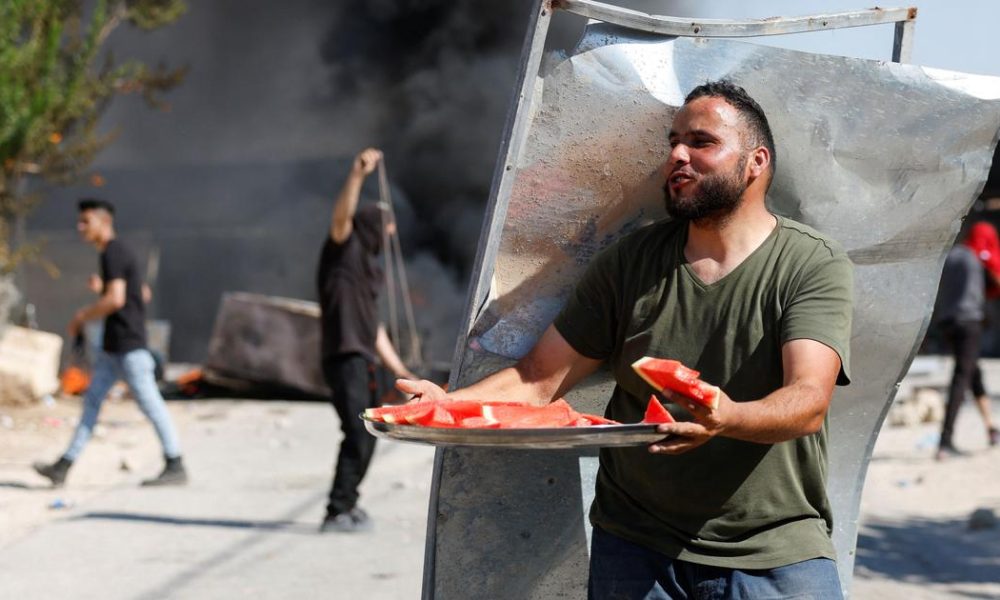
The plight of Palestinian villages under occupation often goes unnoticed, yet the experiences reported by activists shed light on the daily challenges faced by these communities. One such village, Samu’a, perched on a rocky hill, embodies the intersection of resilience and adversity.
Samu’a is characterized by its rugged terrain and simple stone houses, with a landscape dotted by agricultural activity. However, the village’s access to larger roads, crucial for connectivity to cities like Jerusalem and Hebron, is severely hampered by numerous Israeli military roadblocks. Currently, the village is subjected to one of more than 540 such barriers strewn across the occupied West Bank, designed to restrict movement and control access.
In Samu’a, a blocked road leads to a makeshift dirt path that has become the only route for residents. This alternative, while functional, raises questions about the purpose of the original roadblock. It serves as a stark reminder of the complexities of everyday life in occupied territories, where mobility is often compromised, and freedom of movement is curtailed by military presence.
The history of Samu’a is marred by violence and tragedy. A dark chapter unfolded on November 13, 1966, when an Israeli military operation resulted in the deaths of three villagers and injuries to 96 others. The raid, which destroyed significant parts of the village, was a direct response to an event unrelated to Samu’a. This incident illustrates the enduring cycle of violence and retribution that has plagued the region.
As the world continues to grapple with the Israeli-Palestinian conflict, the stories from villages like Samu’a remind us of the human cost of prolonged occupation. Peace activists, both local and international, strive to bring these narratives to light, hoping to foster understanding and empathy in the global community. Acknowledging these realities is crucial for any dialogue aimed at reconciliation and peace.
Source: scroll.in







No Comment! Be the first one.