

US Military Strikes in Iran Result in Casualties Amid Renewed Tensions
In a troubling escalation of conflict, the United States military conducted airstrikes in Iran’s Khuzestan province on Monday, resulting in the death of one individual and injuries to four...

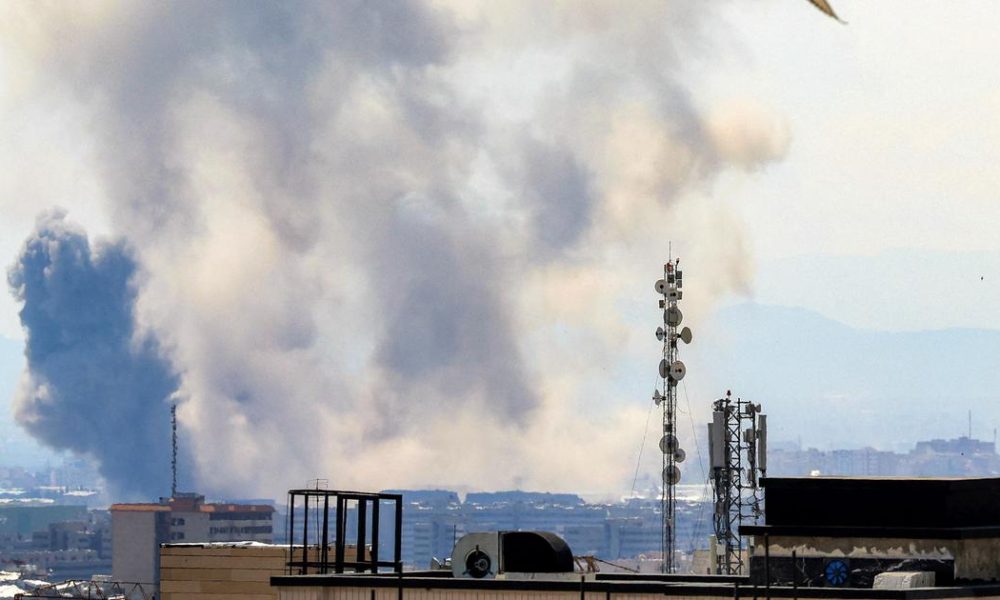
In a troubling escalation of conflict, the United States military conducted airstrikes in Iran’s Khuzestan province on Monday, resulting in the death of one individual and injuries to four others. The strikes targeted an agricultural water pumping station, where a security guard lost his life, according to Valiollah Hayati, the Deputy Governor of Khuzestan. This incident marks the latest chapter in a series of military actions that have rekindled tensions between Washington and Tehran.
The situation has deteriorated significantly since the US launched attacks on Iran following accusations that Tehran had targeted three liquefied natural gas and crude oil tankers in the strategically vital Strait of Hormuz. This maritime passage is crucial for global oil transportation, and any disruption raises concerns internationally, including in energy-dependent countries like India.
On the previous day, a separate attack claimed the life of a telecommunications employee in Hormozgan province, injuring two others. Additionally, an Iranian Navy lieutenant was killed in Jask, further escalating the conflict. The US military’s strikes were confirmed as a response to these alleged Iranian provocations, illustrating a sharp reversal from a brief period of reduced hostilities that followed a ceasefire agreement in June.
The ceasefire, reached on June 15, was intended to halt the fighting and restore normal maritime operations through the Strait of Hormuz, which sees a substantial volume of oil shipments crucial to the global market. Talks in Switzerland were also underway to solidify a long-term peace agreement. However, the recent military strikes have cast a shadow over these diplomatic efforts, with President Donald Trump declaring the ceasefire “over,” and prompting Iran to retaliate with strikes on military sites in Bahrain, Kuwait, and Qatar.
This cycle of violence poses significant risks not only to regional stability but also to global oil prices, which could impact countries like India that rely heavily on imported oil. As tensions escalate, the international community watches closely, hoping for a de-escalation that could prevent further loss of life and maintain the fragile peace that had been established.
Source: scroll.in






No Comment! Be the first one.