

Supreme Court Overturns Gauhati HC Ruling on Citizenship of 27 Individuals
The Supreme Court of India has issued a significant ruling by overturning a decision made by the Gauhati High Court, which had classified 27 individuals as foreigners. This judgement, delivered on...

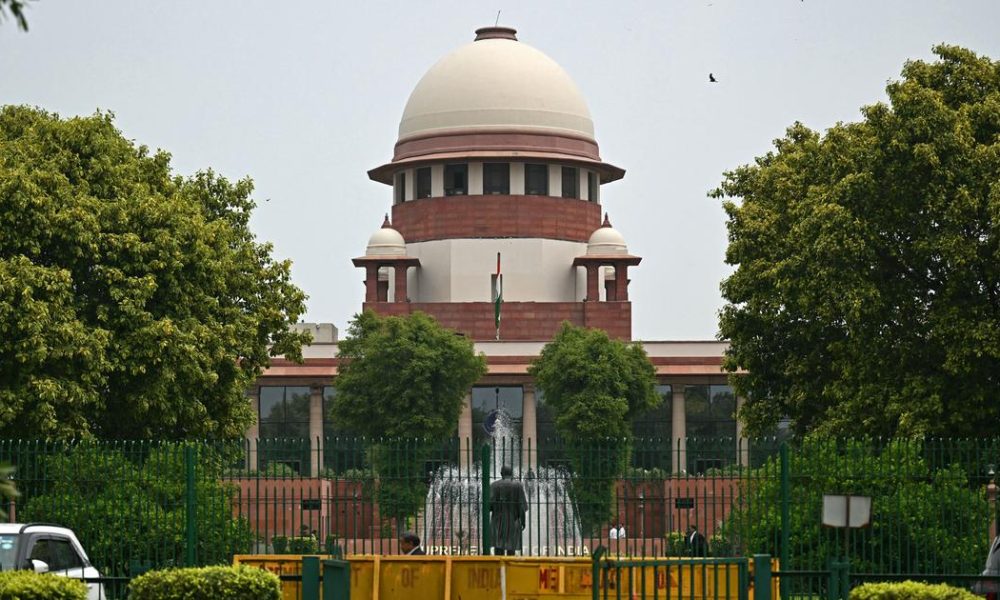
The Supreme Court of India has issued a significant ruling by overturning a decision made by the Gauhati High Court, which had classified 27 individuals as foreigners. This judgement, delivered on Monday, highlights the critical importance of citizenship determinations in India, a matter traditionally steeped in legal and constitutional implications.
A bench comprising Justices Vikram Nath and Sandeep Mehta stressed the necessity for a thorough and equitable process when adjudicating on citizenship status. The cases have now been sent back to the foreigners tribunals in Assam for a fresh review, suggesting that the previous assessments may not have fully accounted for the complexities involved.
The foreigners tribunals in Assam function as quasi-judicial entities responsible for adjudicating citizenship matters, particularly focusing on lineage and a cut-off date of 1971. These tribunals primarily evaluate documentation presented by individuals seeking to prove their residency in Assam or India prior to this critical date. The process has faced scrutiny over claims of arbitrariness, with reports indicating that some individuals have been declared foreigners based on minor documentation errors or lapses in memory.
The Supreme Court’s decision comes at a time when the legal processes surrounding citizenship in Assam have been intensely debated, especially in light of concerns regarding the fairness and transparency of foreigners tribunals. In this particular case reviewed by the Supreme Court, the Gauhati High Court had previously dismissed challenges to the tribunal’s order, emphasizing that the appellants had not contested the tribunal’s ruling for nearly 23 years. The Supreme Court underscored the importance of giving these individuals a proper opportunity to defend their citizenship status, reflecting a commitment to legal fairness.
This ruling is expected to impact many individuals and families who find themselves caught in the complex web of citizenship verification in Assam. The Supreme Court’s insistence on a lawful and reasonable approach may pave the way for more just outcomes in the future. With the ongoing discussion regarding citizenship and identity in India, this case marks a crucial moment in the broader narrative surrounding rights and recognition in the country.
Source: scroll.in







No Comment! Be the first one.