

Racism in Football: Unpacking Stereotypes and Structural Biases Ahead of the 2026 World Cup
The issue of racism in football has resurfaced prominently, especially in light of recent incidents like the denial of entry to a Somali referee into the United States and the alarming spike in...

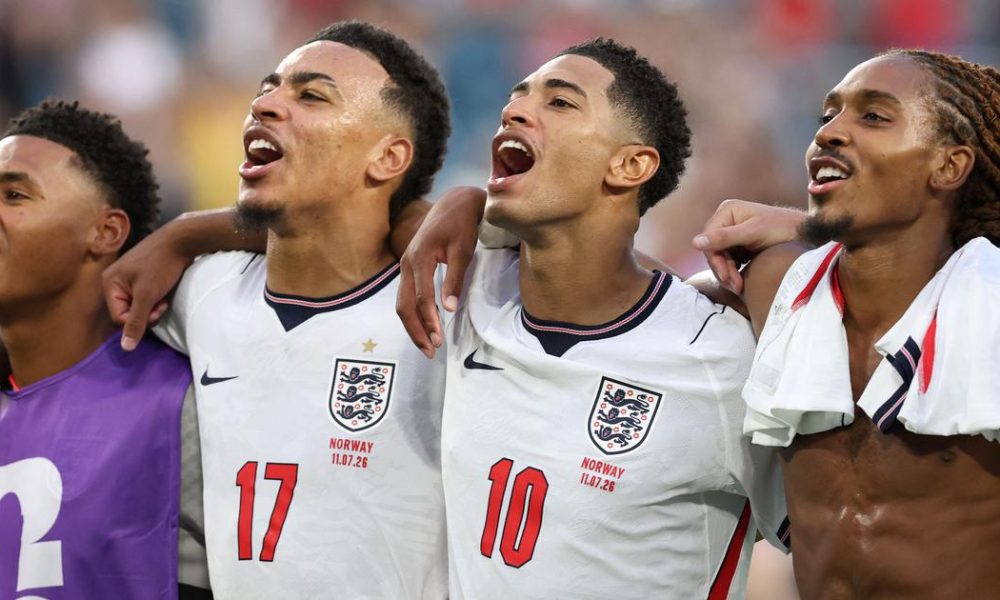
The issue of racism in football has resurfaced prominently, especially in light of recent incidents like the denial of entry to a Somali referee into the United States and the alarming spike in online racist abuse following matches related to the upcoming 2026 World Cup. While overt displays of anti-Black racism are widely documented, the more insidious and structural forms of racism in the sport have not received as much attention.
The 2026 FIFA World Cup represents not just a sporting event but a critical opportunity to examine the deeply rooted biases that pervade the global football market. These biases often perpetuate harmful stereotypes about Black athletes, particularly those from Africa. Common assumptions paint African footballers as naturally gifted athletes who possess raw physical strength but lack discipline and technical finesse. Such perceptions, however, are far from factual; they are cultivated through a complex interplay of socio-economic and cultural factors.
One area where these stereotypes are perpetuated is within West African football academies, which aim to empower young talent but inadvertently reinforce these narrow views. As scholars in the fields of sociology and anthropology, we have been investigating the migration patterns of footballers from West Africa to Europe since 2014. Our research has taken us to Nigeria, Senegal, and Cameroon, where we have engaged with aspiring footballers and coaches to understand the dynamics at play. Recently, we focused on four football academies in Nigeria, interviewing coaches about their selection processes and speaking with 24 football migrants currently in Europe about their aspirations and career trajectories.
Our findings reveal a disconcerting trend: the very frameworks that are meant to support young footballers are sometimes complicit in perpetuating racial stereotypes. Coaches often prioritize physical attributes over technical skill, leading to a narrow understanding of what it means to be a successful athlete. This not only impacts the development of these young players but also shapes how they are perceived in the global market. The preconception that African athletes are inherently superior in speed and strength can overshadow the hard work and discipline required to succeed at elite levels.
As the world gears up for the 2026 World Cup, it is crucial to challenge these entrenched beliefs. By fostering a more nuanced understanding of the contributions and capabilities of Black athletes, stakeholders in football—from clubs to academies—can begin to dismantle the stereotypes that have long plagued the sport. Addressing both overt and structural racism is essential for creating a more inclusive environment that recognizes the diverse talents and hard work of players from all backgrounds.
Source: scroll.in







No Comment! Be the first one.