

Hindu and Muslim Groups Decline Supreme Court Mediation in Mosque Disputes
In a significant development regarding ongoing religious disputes in India, both Hindu and Muslim factions have rejected the Supreme Court’s offer for mediation concerning three notable...

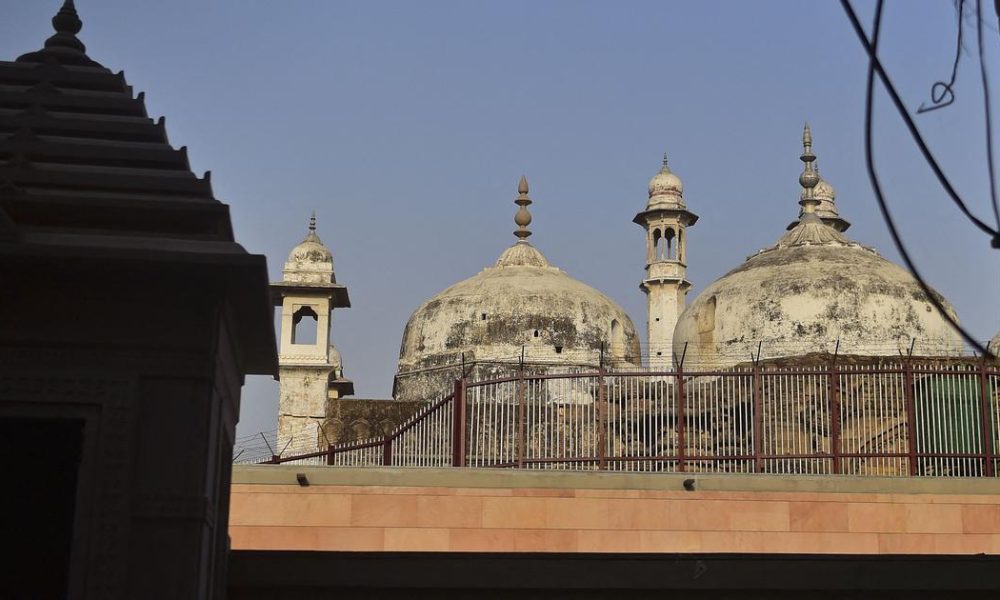
In a significant development regarding ongoing religious disputes in India, both Hindu and Muslim factions have rejected the Supreme Court’s offer for mediation concerning three notable mosque-related cases: the Gyanvapi mosque in Varanasi, the Shahi Idgah mosque in Mathura, and the Shahi Jama Masjid in Sambhal. This decision was reported on Monday by Bar and Bench, emphasizing that the parties involved will continue their legal battles in court rather than pursuing an amicable resolution through mediation.
The Supreme Court had initiated a nationwide mediation effort under the 2026 Supreme Court Action for Mediated Adjudication and Disputes Harmonization Across Nation Samadhan Samaroh, which began in April and is set to culminate in a Special Lok Adalat scheduled for August. However, the refusal from both sides indicates a persistent reluctance to seek a middle ground on these sensitive issues.
At the heart of the Gyanvapi mosque case lies a contentious claim by Hindu litigants who assert that an oval-shaped object discovered on the mosque grounds in May 2022 is a ‘Shivling,’ a symbolic representation of Lord Shiva. Conversely, the mosque’s caretaker committee contends that the object in question is merely a defunct fountainhead located in the wazu khana, or ablution area. In a related development, a Varanasi court ruled in January 2024 that Hindus could conduct prayers in the basement of the Gyanvapi complex, following an Archaeological Survey of India report that posited a Hindu temple once stood at the site before its destruction in the 17th century.
Similarly, the Shahi Idgah mosque case raises significant historical and religious tensions, with plaintiffs arguing that the mosque was constructed over the birthplace of Hindu deity Krishna. This claim reflects the broader disputes regarding religious sites in India, where historical grievances often fuel current litigation and community divisions.
The ongoing court cases reflect deeper societal rifts and highlight the challenges faced in reconciling differing religious narratives. While the Supreme Court’s mediation proposals aimed to foster dialogue and potentially ease tensions, the rejection by both parties underscores the complexities of these disputes that touch upon centuries of history and deep cultural significance.
Source: scroll.in






No Comment! Be the first one.