

Exploring the Turmoil of Power in P Lankesh’s Translated Play ‘The Dying Emperor’
The stage is set in a dimly lit chamber, reminiscent of the opulent Mughal palaces, where shadows dance ominously on the walls. The play, translated from the works of renowned Kannada writer P....

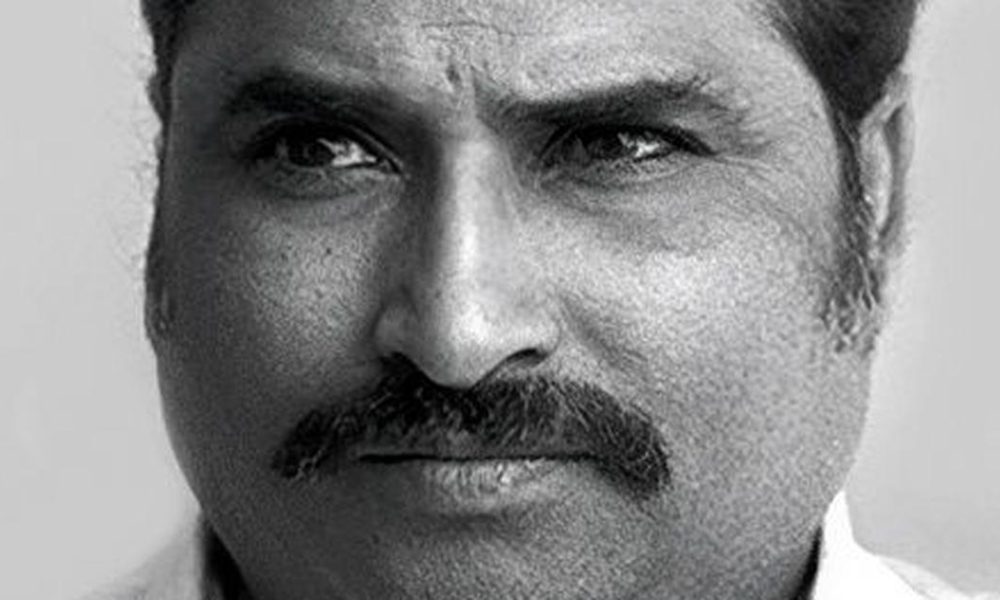
The stage is set in a dimly lit chamber, reminiscent of the opulent Mughal palaces, where shadows dance ominously on the walls. The play, translated from the works of renowned Kannada writer P. Lankesh, encapsulates the intense psychological turmoil faced by Nizam-ul-Mulk, the second Diwan of Delhi. This gripping drama invites audiences to witness the struggles of a ruler who finds himself stripped of his power, as he grapples with both external threats and internal fears.
Nizam-ul-Mulk, portrayed as a man ensnared by his own anxieties, paces back and forth, his movements echoing the restlessness of a trapped animal. As he gulps wine to steady his trembling hands, the shadow of Nadir Shah’s brutality looms large, creating a palpable tension that hangs in the air. The humiliation faced by the Mughal Emperor weighs heavily on him, pressing down like a stone on his chest, a metaphor for the burdens of leadership that often go unseen.
Amidst this chaotic atmosphere, the character of Hamid enters, bringing with him the scent of burnt meat and an underlying sense of humor. Their interaction highlights the stark contrast between the mundane tasks of preparing a meal and the monumental responsibilities of governance. Hamid’s banter about burnt turkeys serves not only to lighten the mood but also underscores the absurdity of life in the Mughal court, where even the darkest moments are punctuated by humor.
As Mulk seeks reassurance from Hamid about the attendance of his ally Afzal, the play delves deeper into themes of friendship and loyalty. Mulk’s vulnerability is laid bare as he admits his inability to face the night alone, revealing the terrifying isolation that can accompany positions of power. The dialogue captures the essence of a leader who, despite his title and authority, faces the same human fears and insecurities as any common man.
P. Lankesh’s work, rich in cultural context, resonates well with the contemporary audience, drawing parallels between the historical struggles for power and the current political landscape in India. This translation not only brings Lankesh’s poignant storytelling to a wider audience but also serves as a reminder of the timeless nature of power dynamics and the fragility of human dignity.
Source: scroll.in







No Comment! Be the first one.