

Mannu Bhandari’s Memoir: A Candid Examination of Indian Patriarchy
Mannu Bhandari, a revered figure in Indian literature, shines a critical light on the deeply entrenched patriarchy within Indian society in her recently published memoir. Her reflections echo the...

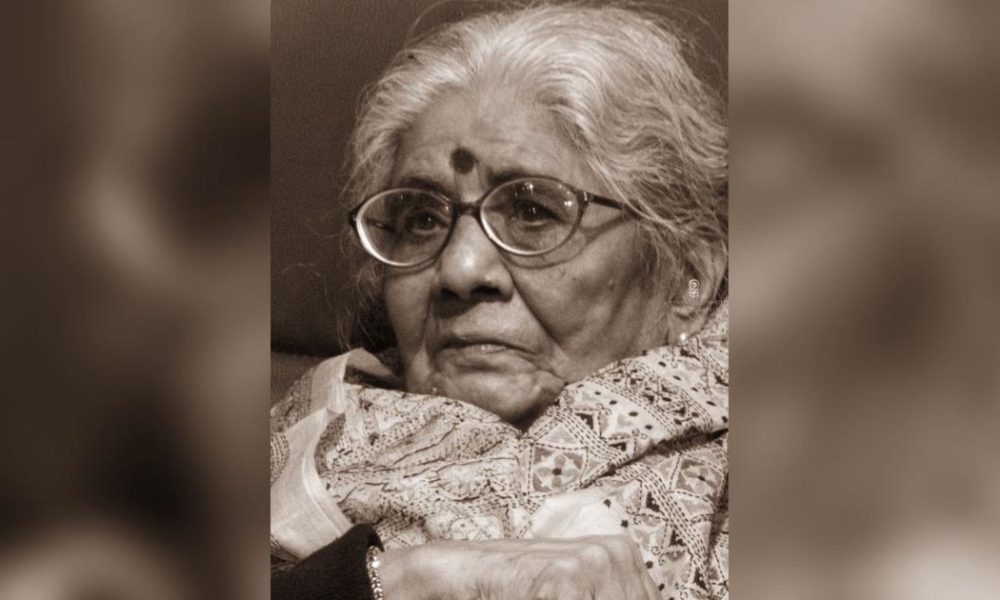
Mannu Bhandari, a revered figure in Indian literature, shines a critical light on the deeply entrenched patriarchy within Indian society in her recently published memoir. Her reflections echo the sentiments expressed by literary icon Virginia Woolf in her seminal 1928 lecture at Cambridge, where Woolf underscored the systemic bias that has historically sidelined women’s voices in literature.
Bhandari’s narrative draws parallels to Woolf’s assertion that for women writers to truly flourish, they need not only artistic freedom but also political and economic independence. In her memoir, Bhandari recounts her own journey as a woman navigating the complexities of a male-dominated literary landscape, illustrating the struggles and triumphs she encountered along the way.
Woolf’s famous statement that “a woman must have money and a room of her own if she is to write fiction” resonates deeply within the Indian context as Bhandari unveils her personal experiences. She reflects on how societal structures, familial expectations, and economic barriers have historically stunted women’s creative expressions, often relegating them to the shadows of their male counterparts.
The memoir also brings to light Bhandari’s own relationship dynamics and how supportive partnerships can enable creative growth. Just as Woolf had her husband, Leonard Woolf, who recognized and nurtured her talents, Bhandari highlights the significance of encouragement from loved ones in her journey. However, Bhandari’s story also acknowledges the harsher realities many women face—a stark reminder that not all women have the privilege of support or recognition.
As Bhandari wades through her memories, she addresses the psychological toll of societal expectations on women, reflecting on the immense pressure to conform to traditional roles while striving for personal authenticity. Her insights serve as a crucial commentary on the necessity of dismantling patriarchal structures that continue to hinder women’s progress in various fields, including literature.
Through her unwavering narrative, Mannu Bhandari not only adds her voice to the discourse on gender equality but also inspires a new generation of women writers to reclaim their narratives. Her memoir stands as a testament to the resilience of women in the face of adversity, reiterating the need for both personal and collective empowerment in the ongoing fight against patriarchal norms in India.
Source: scroll.in







No Comment! Be the first one.