

The Universal Races Congress: A Historic Attempt to Address Global Racial Inequities
In July 1911, a remarkable convergence of minds took place at the University of London, where over 2,000 delegates hailing from 50 nations and 22 governments congregated for the Universal Races...

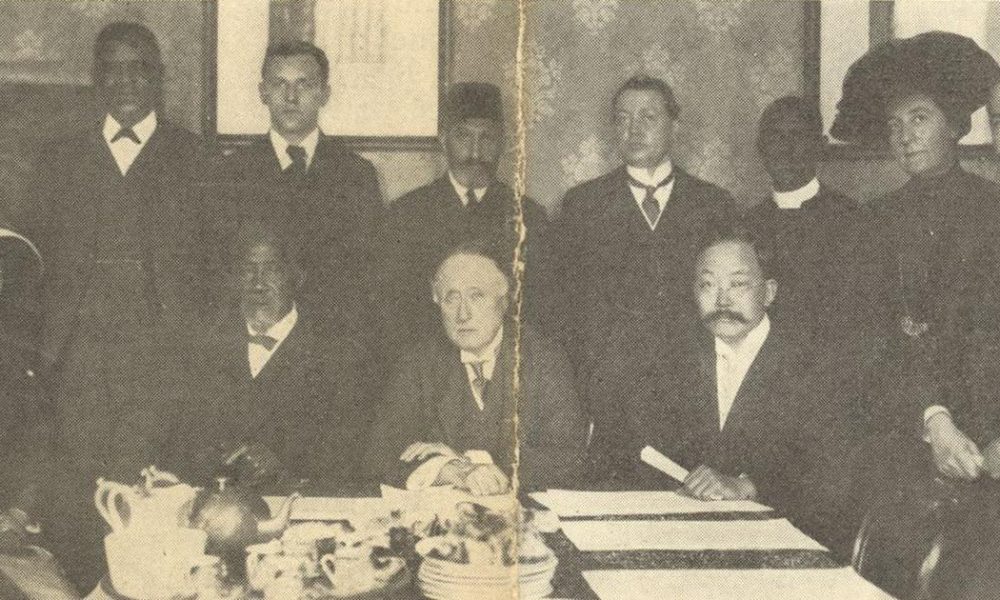
In July 1911, a remarkable convergence of minds took place at the University of London, where over 2,000 delegates hailing from 50 nations and 22 governments congregated for the Universal Races Congress. This ambitious international gathering aimed to tackle the complex issue of race relations, seeking to explore the interactions between Western and Eastern societies, and between what were often described as ‘white’ and ‘coloured’ peoples. The Congress aspired to foster a spirit of understanding, friendship, and cooperation among diverse cultures, reflecting the urgent need to address racial disparities and promote global harmony.
The atmosphere at the Congress was one of cautious optimism, buoyed by the belief that sustained dialogue and collaborative efforts could pave the way for peace among nations and unity among races. Renowned Indian journalist S Nihal Singh, writing for the American Review of Reviews, encapsulated this sentiment by articulating the delegates’ collective hope for a future characterized by international cooperation and racial equality. Unfortunately, this vision was severely tested just three years later when the onset of the First World War shattered such aspirations, plunging the world into conflict and chaos.
The Universal Races Congress did not arise in a vacuum; rather, it was the culmination of nearly two decades of escalating international concern regarding racial dynamics and injustices. As empires expanded aggressively and anti-colonial movements gained momentum, there emerged a growing recognition of the need to confront the inequities propagated by colonial rule. The Congress stood as a testament to this collective inquiry into the ‘race question’, reflecting a global sentiment that transcended borders and sought solutions to deep-rooted societal issues.
Among the prominent figures attending the Congress were Indian thinkers and leaders, including Mahatma Gandhi, who played a pivotal role in advocating for social justice and racial equality. Their presence highlighted the importance of including voices from the Global South in discussions about race and colonialism, emphasizing that the struggle against racial discrimination was not confined to any single geography. The Congress thus became a platform for marginalized voices, fostering a dialogue that resonated with the experiences of many nations grappling with the legacies of colonialism.
While the Congress itself did not yield immediate results in terms of policy or systemic change, it left a lasting legacy by planting the seeds for future discussions on race, equality, and cooperation. It served as a precursor to subsequent global movements advocating for civil rights and social justice, illustrating that the quest for equality is an ongoing journey requiring sustained effort and commitment from all corners of the globe. The Universal Races Congress remains a significant chapter in the history of international dialogue on race and inequality, reminding us of the importance of unity in the face of division.
Source: scroll.in







No Comment! Be the first one.