

Exploring the Invisible World: How Parasites Shape Our Ecosystems and Histories
In the realm of natural history, certain organisms often overlooked play pivotal roles in shaping our ecosystems and, indeed, human history. The recently published book, Hidden Creatures: Luscious...

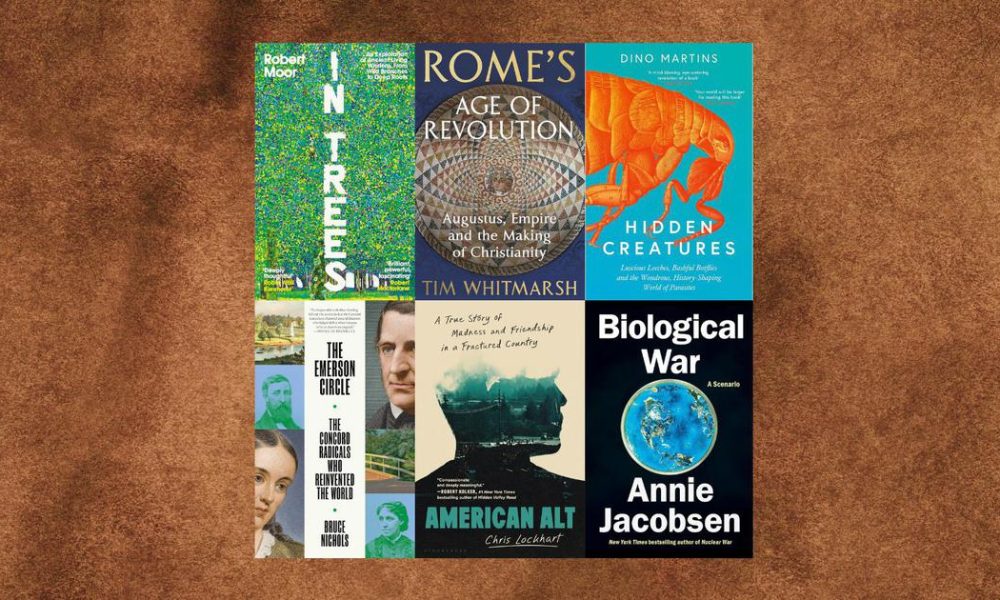
In the realm of natural history, certain organisms often overlooked play pivotal roles in shaping our ecosystems and, indeed, human history. The recently published book, Hidden Creatures: Luscious Leeches, Bashful Botflies and the Wondrous, History-Shaping World of Parasites by Kenyan entomologist Dino Martins, sheds light on these ‘hidden’ creatures that have been vital to life on Earth. From the formidable tapeworms that can reach lengths of 120 feet within the intestines of whales to the infamous tsetse flies known for spreading diseases, these organisms are far from just nuisances—they are fundamental components of our ecosystem.
Throughout the pages of Martins’ book, readers embark on a global journey, traversing diverse landscapes from the rugged terrains of East Africa to the lush rainforests of the Amazon and even public parks in London. The narrative is rich with encounters featuring an array of host organisms, including elephants, rhinos, and the elusive humans, highlighting the intricate web of life in which parasites play a crucial role. Despite their negative connotations, many of these parasites are essential for maintaining the balance of nature, driving evolution, and influencing civilizations.
For Indian readers, this exploration invites a re-evaluation of our relationship with nature. In a country where biodiversity is vast and varied, understanding the role of parasites could enhance our appreciation for the interconnectedness of life. The leech, long vilified in Indian culture for its bloodsucking nature, is an example of how certain creatures, despite their bad reputations, contribute significantly to the ecosystem. These creatures underline a profound lesson: that our disdain for certain beings often masks their essential contributions to the environment.
Martins’ work also emphasizes the importance of scientific curiosity and the value of studying these misunderstood organisms. By sharing his personal journey and the stories of various experts and students who join him, he not only demystifies parasites but also presents an engaging narrative that bridges science and storytelling. This duality is essential, especially in a rapidly changing world where understanding ecological relationships is vital for environmental conservation.
As India faces numerous ecological challenges, including habitat loss and climate change, the lessons from Hidden Creatures are timely and relevant. They encourage a holistic approach to biodiversity and conservation, reminding us that every creature, no matter how small or seemingly insignificant, plays a part in the grand tapestry of life. In a country rich in cultural and biological diversity, embracing this knowledge can lead to a more balanced coexistence with nature.
Source: scroll.in







No Comment! Be the first one.