

Maharashtra Establishes Committee for Uniform Civil Code Draft
Maharashtra has taken a significant step towards the implementation of a Uniform Civil Code (UCC) by forming a dedicated seven-member committee. This initiative was announced by Chief Minister...

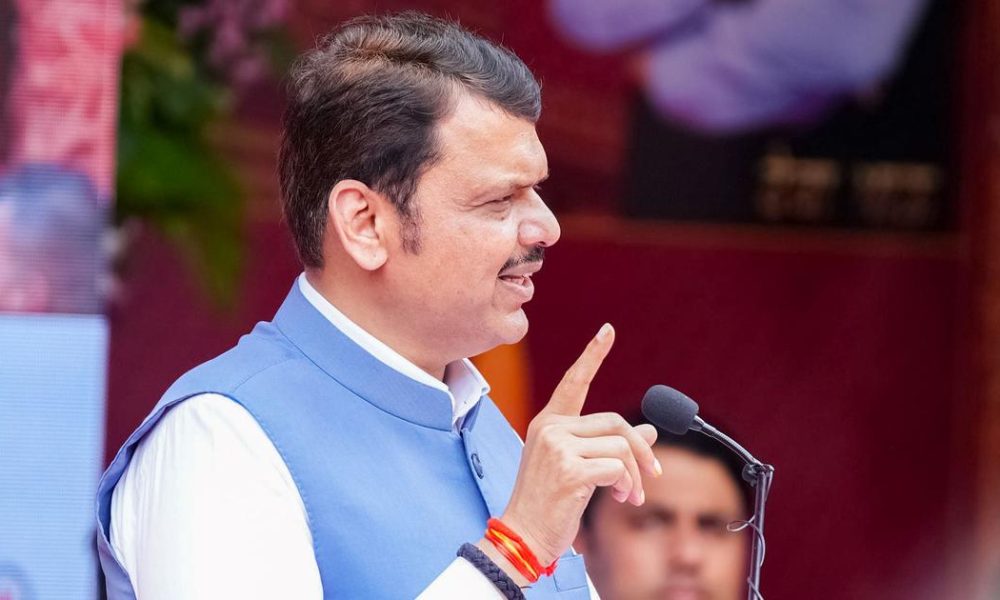
Maharashtra has taken a significant step towards the implementation of a Uniform Civil Code (UCC) by forming a dedicated seven-member committee. This initiative was announced by Chief Minister Devendra Fadnavis during a session in the Assembly on Thursday. The committee will be chaired by retired Supreme Court judge Ranjana Prakash Desai, who has previously led UCC drafting panels for both Uttarakhand and Gujarat.
Alongside Desai, the committee includes prominent legal and educational figures: former Bombay High Court judges RC Chavan and SG Mehare, former Chief Secretary of Maharashtra DK Jain, ex-Advocate General Virendra Saraf, constitutional expert Ramesh Patange, and educationist Suvarna Rawal. The state government has set a timeline for the committee to submit its report within six months, with plans to introduce the drafted legislation during the upcoming Winter Session of the Assembly.
The Uniform Civil Code aims to create a standardized set of laws that govern personal matters such as marriage, divorce, succession, and adoption across all communities in Maharashtra. At present, these issues are managed by community-specific laws that are largely derived from religious texts, leading to significant variations in legal practices among India’s diverse population.
The UCC has long been a focal point for the ruling Bharatiya Janata Party (BJP), which has been advocating for a unified personal law system in the country. Several BJP-led states have made strides towards this goal, with Uttarakhand being the first state post-independence to implement the UCC in January 2025. Similar legislation was passed in Gujarat amidst protests earlier this year, signaling a growing momentum for UCC across various Indian states.
The establishment of this committee in Maharashtra signifies a crucial development in the ongoing discourse surrounding personal laws in India. The move seeks not only to streamline legal processes for citizens but also to ensure equality and justice across different communities. As the nation grapples with the complexities of multi-religious laws, the progress of this committee will be closely watched, reflecting the balance between tradition and modernity in Indian society.
Source: scroll.in







No Comment! Be the first one.