

Government Forms Committee to Review Controversial Film ‘Satluj’ Following Removal from ZEE5
In a significant move, the Union government has established a high-level inter-departmental committee to scrutinize the content of the film ‘Satluj,’ which was recently taken down from...

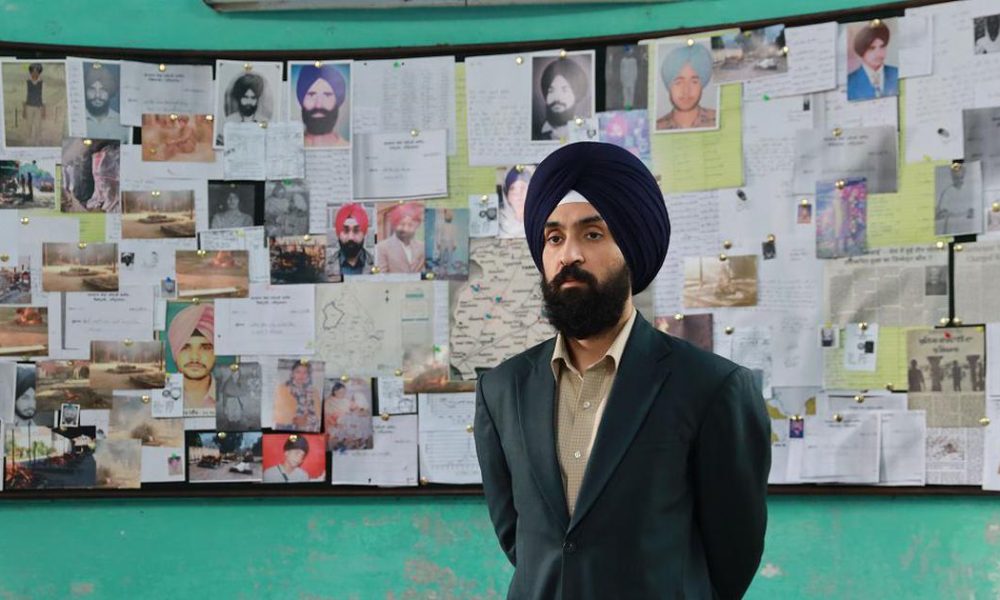
In a significant move, the Union government has established a high-level inter-departmental committee to scrutinize the content of the film ‘Satluj,’ which was recently taken down from the streaming platform ZEE5. This decision comes on the heels of a directive issued by the Ministry of Information and Broadcasting, compelling ZEE5 to remove the film due to its sensitive portrayal of extrajudicial killings and enforced disappearances carried out by the Punjab Police during the tumultuous 1990s.
Initially titled ‘Punjab ’95,’ the film was released on ZEE5 just last Friday, featuring actor Diljit Dosanjh in a leading role. However, by late Sunday, viewers found that it had been pulled from the platform, following the government’s intervention. The order was enacted under Section 69A of the Information Technology Act, alongside Part 3 of the Information Technology Rules, as outlined by sources familiar with the situation.
ZEE5 acknowledged the situation on its social media channels, stating, “In light of the current developments, ‘Satluj’ will be unavailable in India until further notice.” They did not elaborate on the specific reasons for the movie’s removal but emphasized their commitment to addressing piracy, urging audiences to refrain from supporting illegal streaming. In a follow-up post, the platform expressed its intention to explore all possible avenues for bringing ‘Satluj’ back to viewers in the future.
The film delves into the real-life story of human rights activist Jaswinder Singh Khalra, who made significant efforts to expose the brutalities and impunity prevalent in Punjab during the fight against the Khalistani movement. Khalra was abducted in September 1995 and has not been seen since, with his case symbolizing the dark chapter of human rights violations in the region. The film aims to shed light on the immense suffering faced by countless families during this period, a subject that remains deeply sensitive within Indian society.
As the committee embarks on its examination of ‘Satluj,’ the outcome will likely have broader implications for how films addressing historical and political themes are received in India. The government’s actions reflect ongoing tensions relating to freedom of speech, artistic expression, and the sensitive nature of India’s recent history. This situation raises important questions about the role of cinema in reflecting societal issues and the boundaries that govern creative expression in the country.
Source: scroll.in







No Comment! Be the first one.