

Umar Khalid book excerpt: Exploring the history of Singhbhum’s tribal societies in British India
{ "headline": "Exploring the Legacy of Tribal Resistance in Singhbhum: A Historical Perspective", "content": "<p>In recent years, the tribal regions of...

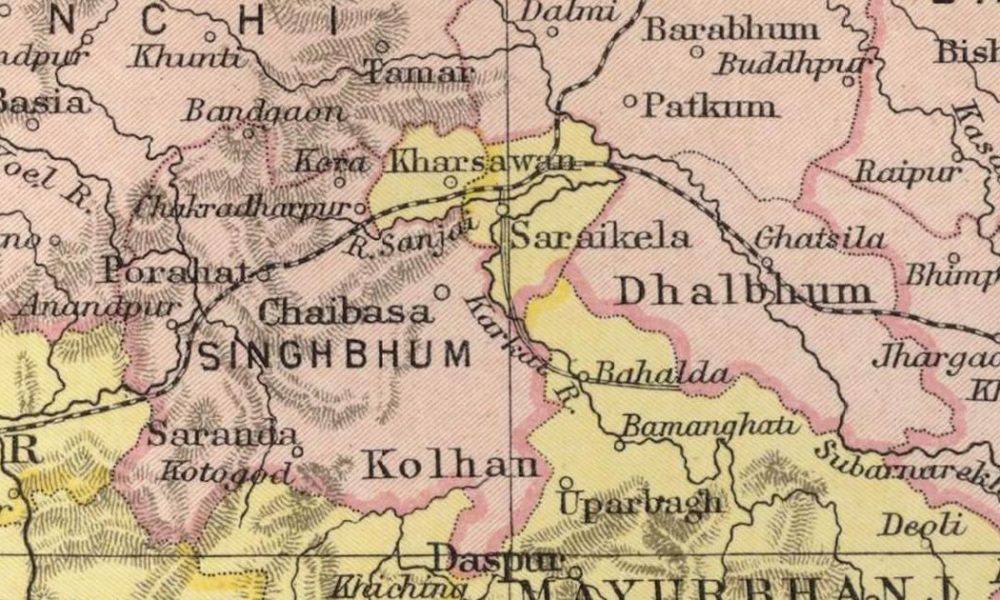
{
"headline": "Exploring the Legacy of Tribal Resistance in Singhbhum: A Historical Perspective",
"content": "<p>In recent years, the tribal regions of Singhbhum have witnessed a violent clash between Maoist insurgents and Indian security forces, framing a complex narrative of resistance that dates back centuries. This ongoing conflict has sparked renewed interest in the historical relationships between tribal societies and external forces, particularly during the period of British colonial rule.</p><p>The portrayal of the Adivasi insurgent—primarily composed of local tribal communities—has evolved significantly in the discourse surrounding the Maoist movement. Since military operations against these groups intensified in 2009, there has been a growing narrative that casts Adivasi rebels as contemporary fighters against a system they perceive as exploitative. Notably, such representations echo a long-standing tradition of resistance against oppressive forces, stretching back to tribal uprisings during the colonial era.</p><p>Renowned author Arundhati Roy, in her influential essay "Walking with the Comrades," draws parallels between the present fight against the state and historical tribal rebellions. She argues that the indigenous resistance in Singhbhum isn't merely a response to recent Maoist ideologies influenced by figures like Mao Tse-Tung, but rather a continuation of a long lineage of opposition against colonial and post-colonial state interventions. Through her keen observations, Roy highlights the unique identity of these tribal communities, often characterized by their deep-rooted connection to their land and resources, which they view as being under threat from modern capitalist exploitation.</p><p>This historical perspective is crucial in understanding the context of the current civil strife. Despite the complexities of contemporary politics, the tribal struggle is often framed as a fight for their rights and livelihoods, closely tied to their cultural heritage and social structures. As these communities resist the encroachment of state power and commercial interests, their actions are often depicted as a modern-day reflection of age-old struggles.</p><p>The engagement of tribal peoples in this ongoing conflict reflects a broader theme of resistance against marginalization. As these narratives unfold, it becomes evident that the identity of the Adivasi, far from being a primitive relic, is instead a dynamic construct engaged in a modern battle for dignity and survival. The legacy of their historical resistance continues to inform contemporary movements, making it essential for observers to appreciate the deep roots of tribal struggles in India's socio-political landscape.</p>",
"seo_description": "Delve into the historical roots of tribal resistance in Singhbhum, exploring the impact of colonialism and modern challenges faced by Adivasi communities.",
"tags": ["Singhbhum", "tribal societies", "Adivasi", "Maoist movement", "Indian history"]
}
Source: scroll.in







No Comment! Be the first one.