

Mumbai’s Rainfall Crisis: A Wake-Up Call on Climate Adaptation
Following a week of relentless rainfall that tragically resulted in the deaths of nine residents due to house collapses and falling trees, a wave of justifications has flooded social media....

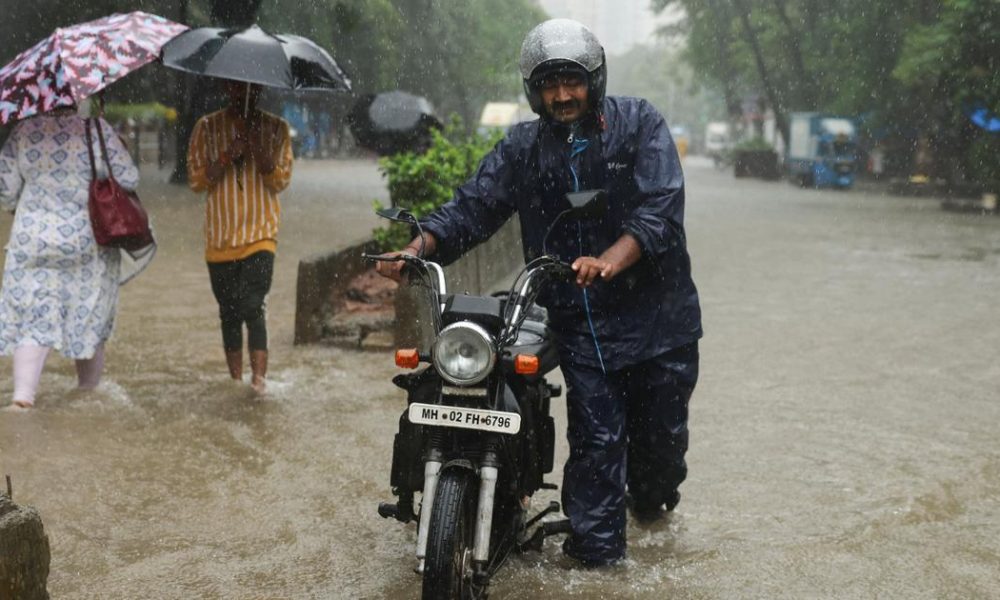
Following a week of relentless rainfall that tragically resulted in the deaths of nine residents due to house collapses and falling trees, a wave of justifications has flooded social media. Supporters of the local administration have been quick to point out, “No infrastructure can cope with such extreme weather,” suggesting that life continues in Mumbai despite the chaos. Others echoed this sentiment, claiming, “No city can remain unflooded during such intense rain in a short timeframe. Mumbai performs better than many, despite its challenges.” These comments, however, seem to overlook a significant underlying issue.
In just 24 hours until Sunday morning, the Colaba weather station recorded an astonishing 265.6 mm of rain, marking it as the wettest July day in 50 years. Meanwhile, the Santa Cruz station recorded 227.7 mm, the second-highest rainfall for July in five years. While the unprecedented nature of this rainfall is undeniable, it raises critical questions about the city’s preparedness and resilience in the face of climate change.
Experts have long warned about the implications of climate change for Mumbai, a city already grappling with infrastructural challenges. A climate action report released by the municipal corporation in 2022 highlighted a troubling trend: an increasing frequency of extreme rainfall events. Such findings underscore the urgent need for a reevaluation of the city’s infrastructure and emergency preparedness.
The current situation serves as a stark reminder that extraordinary weather patterns are becoming the norm, rather than the exception. While it is easy to attribute the city’s struggles to a singular, extreme event, it is crucial for both the administration and its citizens to recognize the patterns emerging from climate change. As rainfall intensifies due to changing climatic conditions, Mumbai must advance its strategies to mitigate risks and protect its residents.
In light of these challenges, it is imperative for local authorities to prioritize sustainable urban planning that can accommodate and adapt to these new realities. This includes investing in public infrastructure, enhancing drainage systems, and implementing effective disaster response strategies to ensure the safety and well-being of all citizens. As the world grapples with the consequences of climate change, Mumbai stands at a critical juncture that demands proactive measures and collective responsibility.
Source: scroll.in







No Comment! Be the first one.