

Explore Chaos and Power in Akira Kurosawa’s Masterpiece ‘Ran’
William Shakespeare’s timeless works have inspired countless adaptations worldwide, drawing on his intricate plots, iconic characters, and profound themes. Among the many filmmakers who have...

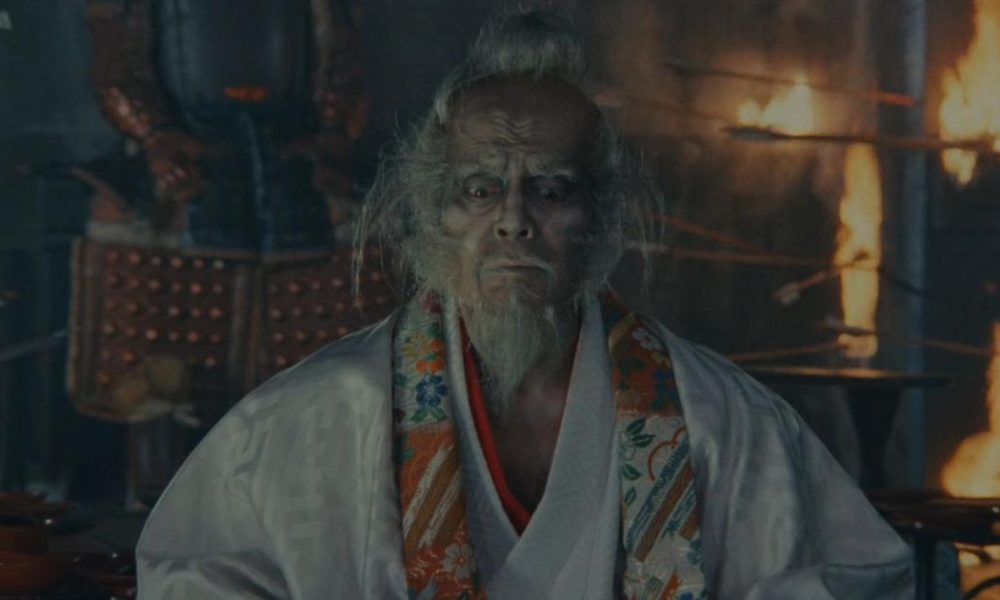
William Shakespeare’s timeless works have inspired countless adaptations worldwide, drawing on his intricate plots, iconic characters, and profound themes. Among the many filmmakers who have ventured into Shakespearean territory, few have done so with the depth and artistry of Japanese director Akira Kurosawa. His trilogy of adaptations, which includes ‘Throne of Blood’ (a take on Macbeth), ‘The Bad Sleep Well’ (loosely based on Hamlet), and ‘Ran’ (inspired by King Lear), exemplifies a thoughtful reinterpretation that resonates deeply with both the source material and the intricacies of Japanese culture.
‘Ran’, released in 1985 and available for rent on Prime Video, is a visually stunning and emotionally charged retelling of Shakespeare’s ‘King Lear’. Set against the backdrop of 16th-century Japan, the film explores the themes of ambition, betrayal, and the inevitable chaos that ensues from familial discord. In Kurosawa’s adaptation, the character of Lear is transformed into Ichimonji, a powerful warlord portrayed by Tatsuya Nakadai, who makes a fateful decision that alters the course of his family and his kingdom.
In a moment of misguided generosity, Ichimonji chooses to abdicate his throne, declaring his eldest son Taro (played by Akira Tera) as his successor. This decision sets off a chain reaction of jealousy and conflict among his two other sons: the resentful Jiro (Jinpachi Nezu) and the outspoken Saburo (Daisuke Ryu). The film delves into the rigidly hierarchical structure of feudal Japan, where a show of vulnerability by a patriarch is seen as a sign of weakness, leading to catastrophic consequences.
As the narrative unfolds, Kurosawa masterfully explores the concept of power and its corrupting influence. Ichimonji’s admission of his own age and mistakes, framed within the stringent codes of honor and authority, serves as a catalyst for the ensuing chaos. The film not only captures the visual grandeur of its historical setting but also serves as a poignant commentary on the destructive nature of unchecked ambition and familial rivalry.
Through ‘Ran’, audiences are invited to witness the tragic downfall of a family torn apart by ambition and pride. Kurosawa’s adaptation stands as a testament to his genius and his ability to use Shakespeare’s themes to reflect on the complexities of human nature and societal structures. For those looking to engage with a cinematic experience that combines rich storytelling with profound philosophical insights, ‘Ran’ offers an exceptional lens through which to explore these timeless issues.
Source: scroll.in







No Comment! Be the first one.