

The Impact of State Policies on Muslim Livelihoods in India: A Critical Examination
The socio-economic landscape for Muslim communities in India has faced significant challenges during the tenure of Prime Minister Narendra Modi. Analysts argue that the systematic erosion of their...

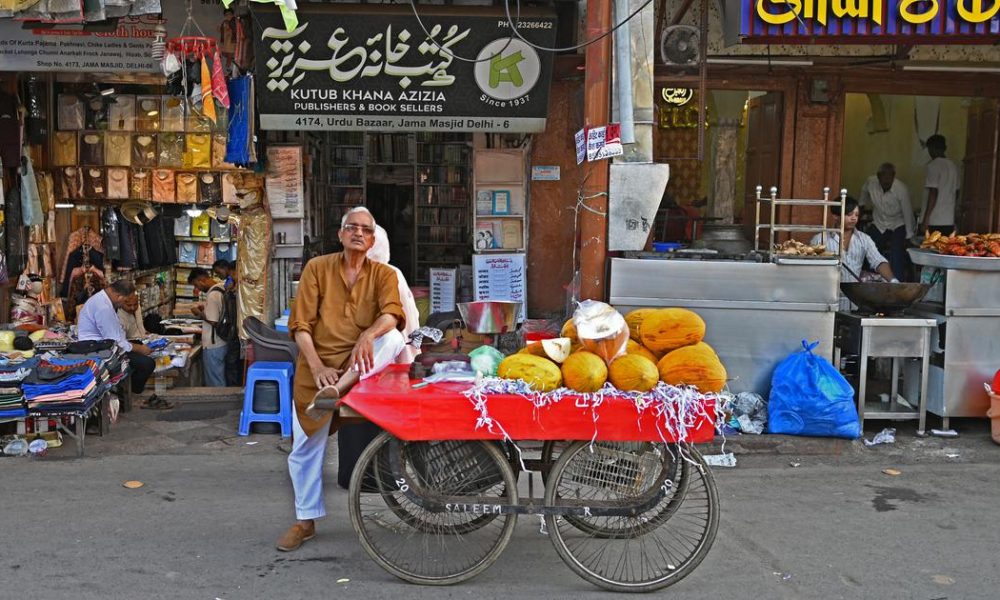
The socio-economic landscape for Muslim communities in India has faced significant challenges during the tenure of Prime Minister Narendra Modi. Analysts argue that the systematic erosion of their livelihoods is not merely a series of isolated incidents but rather a deliberate outcome of state laws and policies that have increasingly marginalized this demographic group.
Under the Modi government, the interplay between state-sanctioned actions and non-state actors affiliated with the ruling Bharatiya Janata Party (BJP) has contributed to a climate of fear and instability for Muslim citizens. The rise of communal tensions has often been exacerbated by the active participation of organizations linked to the Rashtriya Swayamsevak Sangh (RSS), fostering an environment where attacks on Muslim livelihoods have become alarmingly commonplace.
What is troubling is the absence of robust policies aimed at safeguarding the economic interests and rights of Muslims, a demographic that has historically faced socio-economic disadvantages. Many experts highlight that, despite the acknowledgment of these challenges, there remains a woeful lack of initiatives to reverse the trends of marginalization. Proposals for enhancing educational infrastructure in predominantly Muslim areas, increasing the number of Muslim educators, and expanding scholarship opportunities for Muslim youth have not gained traction. Instead, existing initiatives have seen reductions in funding or have been entirely phased out.
As the Modi administration continues its governance, the trend appears to be moving further away from inclusivity. The dismantling of previously established scholarship schemes aimed at supporting minority children raises serious concerns about the future of educational equity. Without proactive measures to counter discrimination and economic disenfranchisement, the once-vibrant economic fabric of Muslim communities risks being further unraveled.
In conclusion, the challenges faced by Muslims in India today reflect a broader narrative of state failure to protect vulnerable communities. As the nation grapples with these issues, it is imperative for policymakers to reevaluate their strategies to create an inclusive environment that fosters economic resilience and social harmony among all citizens.
Source: scroll.in






No Comment! Be the first one.