

Haryana Village Protests for Clean Water: FIRs and Tear Gas Mark the Unfolding Crisis
In the wake of recent protests in Chanot village, situated in Haryana’s Hansi district, residents are questioning the government’s commitment to providing basic amenities like clean...

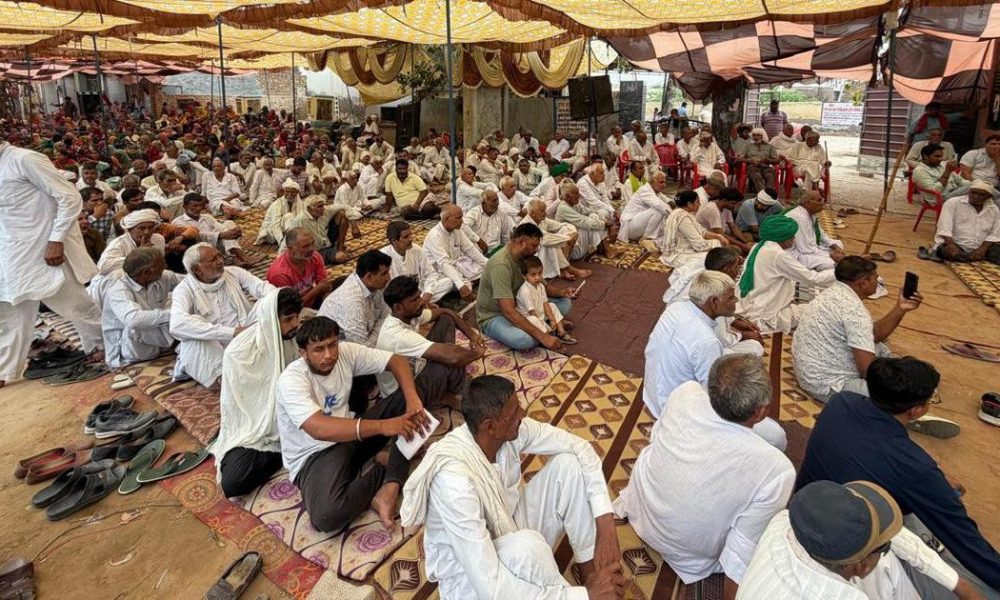
In the wake of recent protests in Chanot village, situated in Haryana’s Hansi district, residents are questioning the government’s commitment to providing basic amenities like clean drinking water, even after 78 years of Independence. The area has been marked by discontent, with local citizens demanding access to a newly laid pipeline aimed at supplying fresh water to urban households.
Starting in mid-May, the protests intensified after the Haryana government initiated the installation of a 30-kilometer pipeline extending from the Bhakra canal to Hansi town. This project is part of the Atal Mission for Rejuvenation and Urban Transformation (AMRUT) scheme, which is intended to enhance urban living conditions, including the provision of clean water. However, residents of Chanot, one of the 121 villages newly designated within Hansi, have voiced their frustration over the exclusion of their village from the proposed water supply.
The situation escalated by June, when around 50 villagers, including women and an elderly resident in their eighties, launched an indefinite hunger strike to draw attention to their plight concerning inadequate water and electricity access. Demonstrating their grievances, they displayed plastic bottles filled with murky yellow and black water, signifying the unpotable water source they have relied upon for two decades. “This is the water we have been drinking for the past 20 years. It’s unsafe for consumption,” they lamented during a media interaction.
The protests have not only exposed the dire water conditions in rural Haryana but have also led to government action that some residents argue is heavy-handed. As unrest grew, authorities responded with police interventions, resulting in First Information Reports (FIRs) against demonstrators and the use of tear gas to disperse crowds. Moreover, there have been reports of social media restrictions aimed at stifling the spread of information regarding the protests, further heightening tensions between the local populace and the state.
This dissonance has raised broader questions about the promises made by the government regarding water accessibility, particularly under the flagship campaign of “Har Ghar Jal,” which aims to ensure every home in India has access to clean drinking water. As the residents of Chanot continue their struggle for basic rights, their fight reflects a larger narrative on the challenges faced by rural communities in India when it comes to securing essential resources.
Source: scroll.in







No Comment! Be the first one.