

Delhi Court Denies Bail to Activists Umar Khalid and Sharjeel Imam in 2020 Riots Case
A Delhi court has denied bail to activists Umar Khalid and Sharjeel Imam in connection with the conspiracy case related to the riots that erupted in February 2020. The ruling came from Additional...

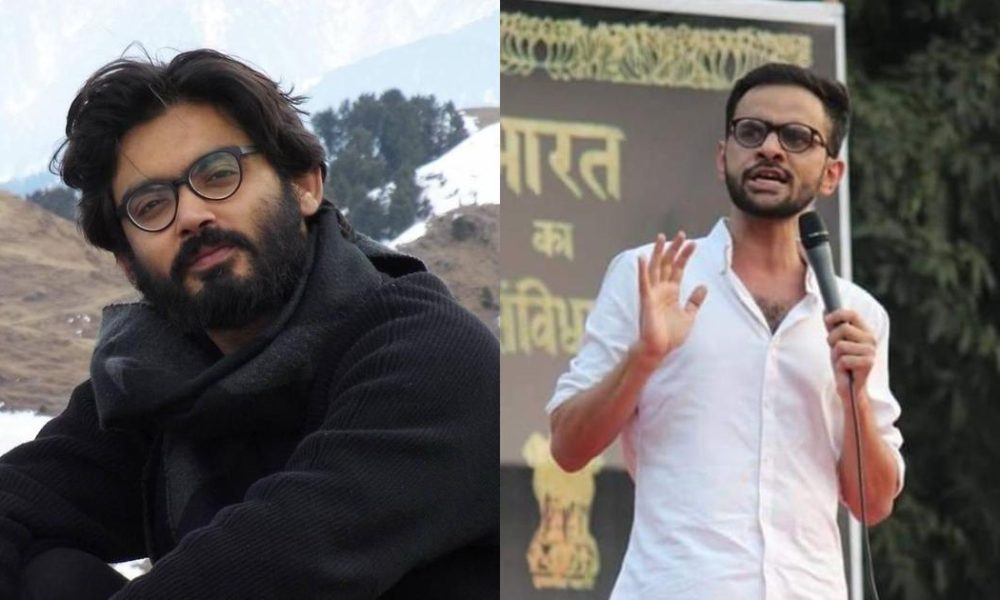
A Delhi court has denied bail to activists Umar Khalid and Sharjeel Imam in connection with the conspiracy case related to the riots that erupted in February 2020. The ruling came from Additional Sessions Judge Sameer Bajpai at the Karkardooma Courts, who stated that he was obligated to follow the Supreme Court’s earlier order in January that had also rejected their bail requests.
The Supreme Court bench, consisting of Justices Aravind Kumar and NV Anjaria, had indicated that Khalid and Imam could seek bail again after the examination of all protected witnesses or after a period of one year. This decision not only affects the two activists but also highlights the ongoing complexities of the case that has garnered significant attention across the nation.
Earlier, the same court granted bail to several other individuals involved in the case, including Gulfisha Fatima, Meeran Haider, Shifa-ur-Rehman, Shadab Ahmed, and Muhammad Saleem Khan, showcasing a nuanced approach to bail requests among those implicated. Khalid and Imam, along with other activists, were arrested in the wake of violent clashes in North East Delhi, which resulted in the deaths of 53 individuals and left hundreds injured, predominantly among the Muslim community.
The communal unrest was triggered by protests against the Citizenship Amendment Act (CAA), which was seen by many as discriminatory against Muslims. The police have alleged that the riots were not merely spontaneous but were part of a premeditated conspiracy aimed at discrediting the Narendra Modi-led government. As charges have been filed under the Unlawful Activities Prevention Act (UAPA), the Prevention of Damage to Public Property Act, the Arms Act, and several sections of the Indian Penal Code, the case is emblematic of the broader societal tensions in contemporary India.
The implications of this case extend far beyond the court’s decisions. It reflects the heightened scrutiny of dissent in India, especially concerning issues that challenge the government’s policies. As activists and advocates watch closely, the ongoing legal proceedings are likely to shape the discourse around civil liberties and government accountability in the country.
Source: scroll.in







No Comment! Be the first one.