

In Assam, High Fluoride Levels in Groundwater Linked to Skeletal Deformations
In Tapatjuri village, located in Assam’s Nagaon district, 21-year-old Amjad Hussain has turned a corner in his life, walking a kilometer each day to weave mats for his livelihood. Just a few...

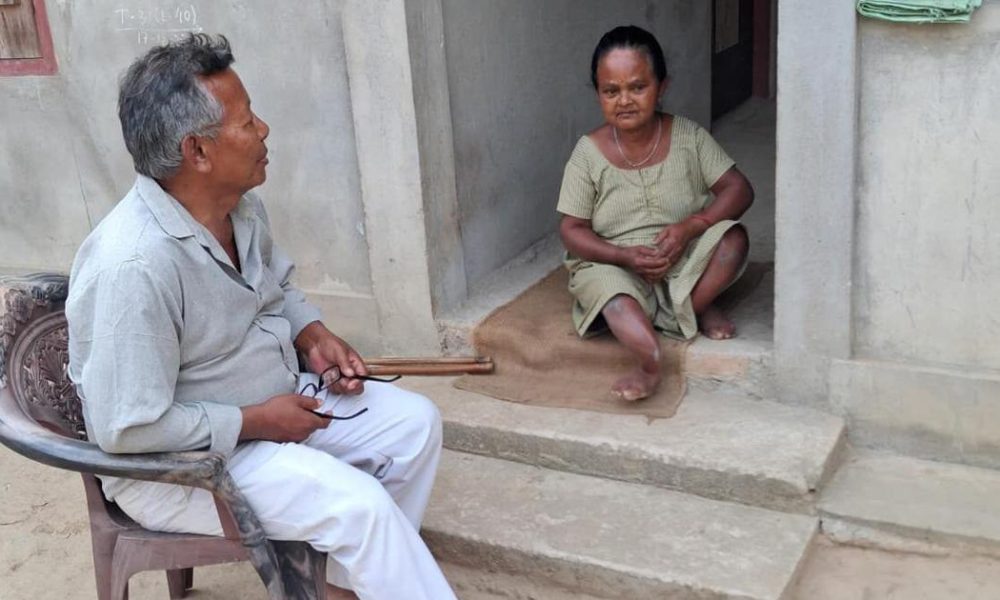
In Tapatjuri village, located in Assam’s Nagaon district, 21-year-old Amjad Hussain has turned a corner in his life, walking a kilometer each day to weave mats for his livelihood. Just a few years ago, Amjad struggled to walk without the aid of a stick due to severe health issues stemming from fluoride contamination in local groundwater. His mother, Halima Khatun, reveals the grim reality of their family’s plight, stating, “Three of my sons developed bodily deformations, which we later learnt was because of the water we drink.” This condition, known as skeletal fluorosis, is a direct consequence of consuming water with elevated fluoride levels.
As Halima’s family grapples with this debilitating condition, they are not alone. Dharani Saikia, a 62-year-old social worker from Kampur town, has been advocating for awareness regarding fluorosis in Assam for over two decades. His efforts have unveiled alarming statistics; as of 2020, 13 districts in Assam are reported to be affected by fluoride contamination. The Ministry of Jal Shakti confirmed in 2022 that nine districts had levels of fluoride exceeding safe limits, yet detailed reports on the extent of groundwater contamination and its impact on local residents have not been published for nearly ten years.
The phenomenon of skeletal fluorosis is a silent epidemic in various parts of India, particularly in rural areas where access to clean drinking water is limited. Symptoms include joint pain, stiffness, and deformities, severely impacting the quality of life for those affected. In many cases, families remain unaware that their health issues are connected to the very water they consume daily. The plight of Amjad and his brothers serves as a stark reminder of the pervasive threat posed by contaminated water sources.
Local health authorities and government initiatives have made attempts to mitigate the issue, but the lack of comprehensive studies and consistent monitoring has hindered effective interventions. Communities continue to rely on traditional sources of water that may be tainted with fluoride, exacerbating the health crisis. Activists like Saikia are calling for urgent action to address this public health hazard, urging the government to prioritize research and remediation efforts.
The challenge of fluorosis highlights the broader issues of water quality and public health in India, a nation where access to clean water remains a critical concern. As families like Amjad’s strive for recovery and resilience, the fight against fluoride contamination is far from over. The need for awareness, preventive measures, and government accountability is essential to safeguard the health and wellbeing of countless individuals vulnerable to the effects of polluted water.
Source: scroll.in







No Comment! Be the first one.