

Bombay High Court Upholds Right to Protest, Quashes Externment of Political Leader
The Bombay High Court has reaffirmed the fundamental right to protest, quashing an externment order that sought to expel a political leader from Mumbai for voicing dissent against government...

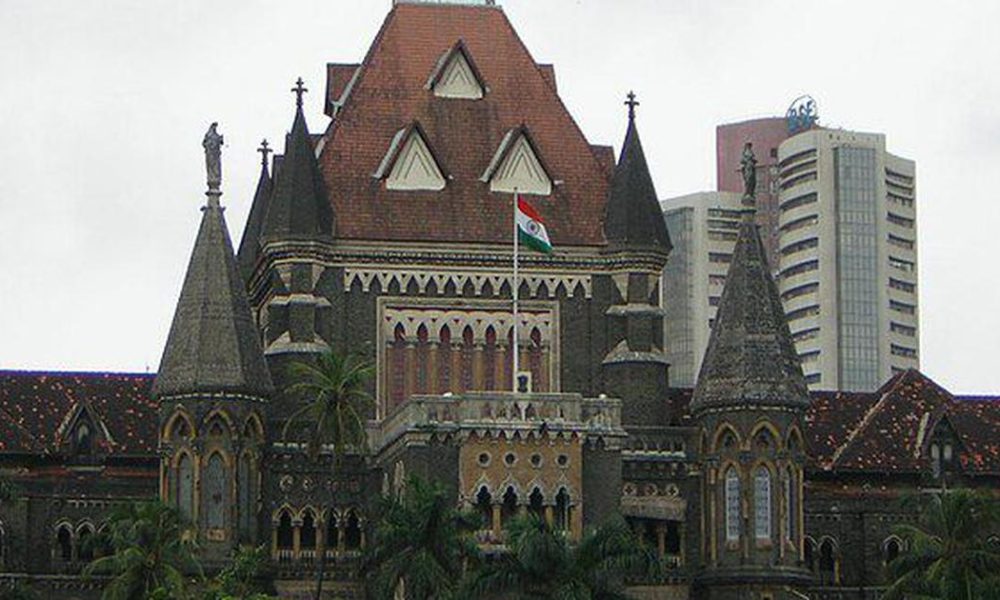
The Bombay High Court has reaffirmed the fundamental right to protest, quashing an externment order that sought to expel a political leader from Mumbai for voicing dissent against government policies. This ruling, delivered by Justice Madhav Jamdar, emphasizes that expressing opposition through slogans or protests does not justify limiting an individual’s freedom of movement.
The case involved Saeed Ahmad Abdul Wahid Chaudhary, the Maharashtra General Secretary of the Socialist Democratic Party of India. He had been ordered to stay out of Mumbai and its surrounding areas for a year by the Chembur deputy commissioner of police. The court scrutinized this order, questioning the legitimacy of using slogans such as ‘BJP government murdabad’ and ‘Amit Shah murdabad’ as grounds for such drastic measures.
Justice Jamdar highlighted that police officers serve the public and should not be beholden to political figures. He pointed out that the state’s action of externing Chaudhary merely for exercising his right to express dissent infringes upon essential freedoms guaranteed under the Constitution, including the right to free speech and the right to live with dignity. The court further noted that numerous protests have recently occurred across the country, questioning whether similar orders would be applied to all protesters.
This ruling comes at a time when various sections of society have been vocal against governmental decisions, including significant issues like the National Eligibility cum Entrance Test (NEET) paper leak. The court’s decision underscores the importance of safeguarding democratic values and preserving the right to voice discontent without fear of retribution.
Legal experts believe this judgment sets a precedent for future cases concerning civil liberties and highlights the judiciary’s role in protecting citizens from arbitrary actions by the state. The verdict serves as a reminder that dissent is not a crime, and the freedom to express one’s views is a cornerstone of democracy.
Source: scroll.in







No Comment! Be the first one.