

Violence Erupts in Manipur as India and Japan Strengthen Ties
Fresh violence has erupted in Manipur, where at least 29 houses were torched in recent clashes between the Kuki and Tangkhul Naga communities, situated near the India-Myanmar border. The incidents,...

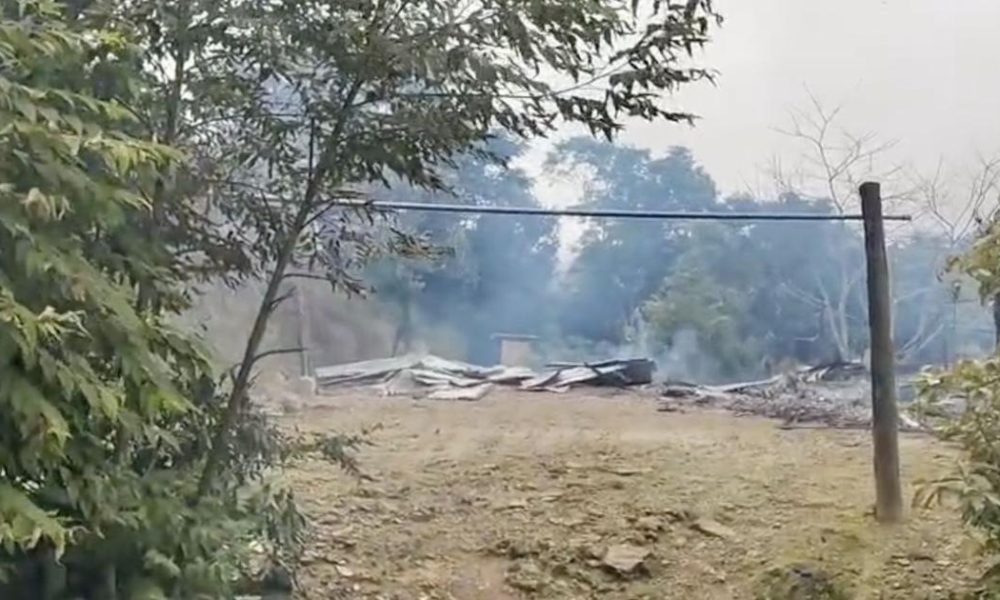
Fresh violence has erupted in Manipur, where at least 29 houses were torched in recent clashes between the Kuki and Tangkhul Naga communities, situated near the India-Myanmar border. The incidents, which occurred between Wednesday afternoon and early Thursday morning, point to escalating tensions, with both communities blaming each other for the violence.
The assaults took place in multiple locations, notably the Kuki villages of Phaimol and Liekot, along with the Tangkhul Naga areas of Shangkhalok and Huimine Thana. Since the beginning of February, a series of violent confrontations have resulted in the deaths of at least 25 individuals from both communities, following an altercation that spiraled into wider clashes.
These incidents of violence have reignited longstanding animosities between the Kuki and Naga tribes in Ukhrul district. The situation remains precarious, with local leaders urging for an immediate ceasefire and dialogue to prevent further bloodshed. The recent events highlight the fragile peace in this region, as the two communities navigate deep-rooted issues exacerbated by territorial disputes and political affiliations.
In a separate yet significant development, India and Japan have taken substantial steps to enhance their bilateral relationship. During a meeting in New Delhi, Indian Prime Minister Narendra Modi and Japanese Minister Sanae Takaichi signed a series of agreements aimed at fortifying cooperation in artificial intelligence, energy resilience, and economic security. Takaichi’s visit is part of a broader initiative following Modi’s trip to Tokyo in 2025, where Japan pledged to increase its investment in India significantly, targeting over $61 billion in the next decade.
Trade relations between India and Japan have seen remarkable growth, with the financial year 2025-2026 witnessing transactions surpassing $27 billion. As key players in the Quadrilateral Security Dialogue (Quad), both nations are committed to enhancing their strategic partnership amidst regional challenges, particularly in the context of economic stability and technological advancement.
Source: scroll.in







No Comment! Be the first one.