

VD Savarkar’s Release Linked to Political Pressure, Claims Grandnephew in Pune Court
In a significant revelation during a criminal defamation trial in Pune, Satyaki Savarkar, the grandnephew of Hindutva ideologue Vinayak Damodar Savarkar, contended that his ancestor’s release...

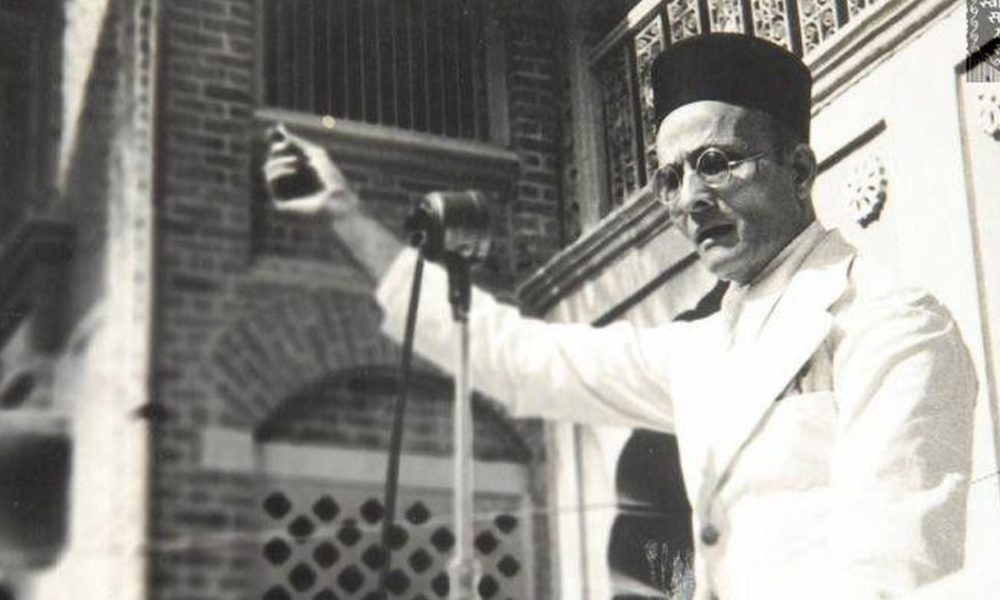
In a significant revelation during a criminal defamation trial in Pune, Satyaki Savarkar, the grandnephew of Hindutva ideologue Vinayak Damodar Savarkar, contended that his ancestor’s release from prison was primarily due to political pressure rather than pleas for mercy sent to the British colonial authorities. This assertion was made on Monday while Satyaki was being cross-examined by Special Judge Amol Shinde, as part of a case against Congress leader Rahul Gandhi.
The ongoing trial stems from a complaint filed by Satyaki Savarkar in April 2023, following remarks made by Gandhi during a London event in March 2023, which Satyaki described as false and defamatory regarding VD Savarkar’s legacy. During the proceedings, he asserted that the efforts made in the National Assembly in 1937 played a pivotal role in facilitating Savarkar’s release.
Vinayak Damodar Savarkar, a prominent figure in India’s freedom struggle, was imprisoned in the infamous Cellular Jail in the Andaman and Nicobar Islands from 1911 until 1921. Following this, he was moved to the Ratnagiri jail in Maharashtra, where he remained under confinement until 1924 when he was granted a conditional release. Satyaki elaborated that from 1924 to 1937, Savarkar was not only released conditionally but also subjected to restrictions that barred him from engaging in political activities.
During his testimony, Satyaki pointed to the Kakinada session of the Indian National Congress in 1923, where a resolution advocating for Savarkar’s release was passed, citing the growing popularity and support for the ideologue at that time. This claim aims to highlight the political dynamics surrounding Savarkar’s imprisonment and subsequent release, casting doubt on the narrative that it was merely a result of his pleas for mercy.
VD Savarkar, known for his controversial views and writings that contributed significantly to the ideology of Hindutva, continues to evoke strong opinions across the political spectrum in India. The ongoing defamation case against Rahul Gandhi serves as a reminder of the complex legacy of Savarkar and the various interpretations of his life and contributions to India’s independence movement. As the trial unfolds, the courtroom dialogue is likely to delve deeper into the historical context of Savarkar’s actions and their implications on contemporary politics in India.
Source: scroll.in




No Comment! Be the first one.