

Delhi High Court Denies Raghav Chadha’s Request for Complete Removal of Defamatory Posts
The Delhi High Court has recently ruled against a request from Rajya Sabha MP Raghav Chadha to remove all allegedly defamatory online content directed towards him. In a decision delivered by Justice...

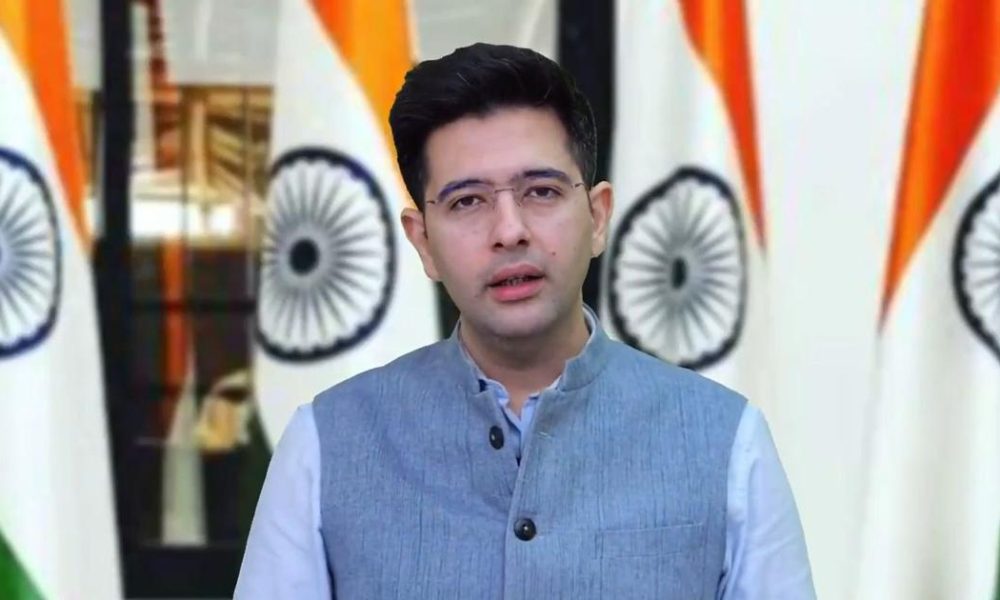
The Delhi High Court has recently ruled against a request from Rajya Sabha MP Raghav Chadha to remove all allegedly defamatory online content directed towards him. In a decision delivered by Justice Subramonium Prasad, the court stated that while it would order the removal of five specific posts deemed to contain profane and vulgar material, it would not enforce a blanket ban on all related content.
Chadha, who has garnered attention for his political maneuverings, particularly his recent split from the Aam Aadmi Party (AAP) to join the Bharatiya Janata Party (BJP), had approached the court expressing concern over posts that he claimed painted him in a derogatory light. These included allegations of personal misconduct, such as selling himself for financial gains, which Chadha argued were damaging to his reputation.
During the court proceedings, Justice Prasad emphasized that criticism of politicians, including satire, is a natural part of political discourse in a democratic society. The judge remarked that the content flagged by Chadha did not infringe upon his personality rights, reinforcing the notion that public figures should expect to encounter both support and criticism. “Can politicians be so sensitive?” the judge questioned, highlighting the expectation for politicians to withstand scrutiny and satire as part of their public role.
On April 26, Chadha and six other AAP MPs made headlines when they announced their departure from the party to align with the BJP’s legislative group in the Rajya Sabha. This merger was officially recognized by Rajya Sabha Chairperson CP Radhakrishnan the following day. The political shift has sparked significant conversations across various media platforms, further intensifying public interest in Chadha’s legal battle regarding the online content.
As the court continues to navigate the complexities of defamation laws and digital content regulation, this ruling serves as a reminder of the delicate balance between freedom of expression and the protection of individual reputation in the realm of Indian politics. The outcome of this case may set a precedent for how future allegations against public figures are handled, particularly in an age dominated by social media and digital discourse.
Source: scroll.in







No Comment! Be the first one.