

Ladakh’s New Liquor Policy: A Controversial Step in the Fight Against Drug Addiction
In a significant policy shift, the Ladakh administration has decided to relax its long-standing regulations on alcohol sales, allowing for the introduction of hard liquor in the region for the first...

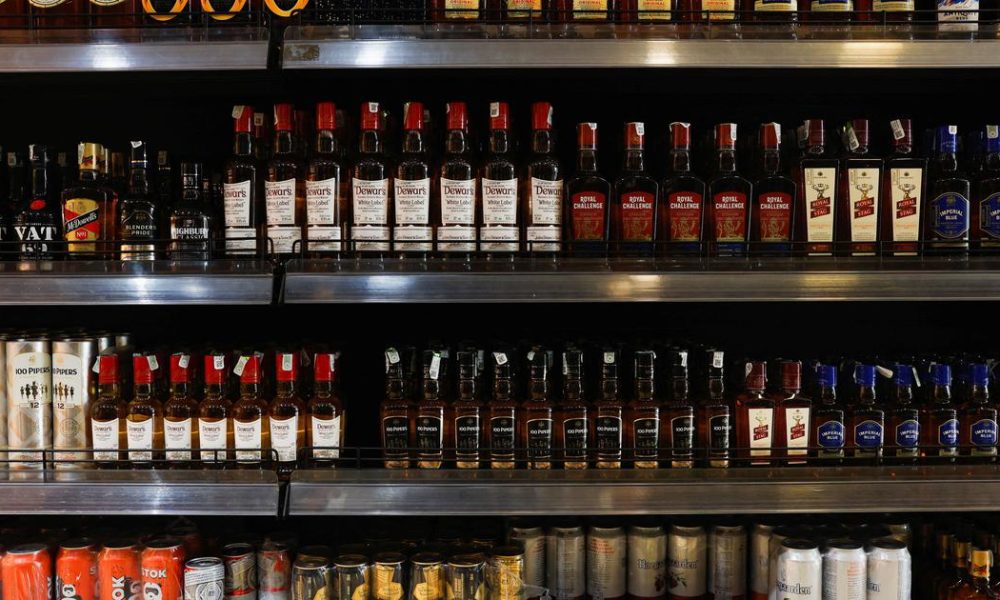
In a significant policy shift, the Ladakh administration has decided to relax its long-standing regulations on alcohol sales, allowing for the introduction of hard liquor in the region for the first time. This new excise policy, which came into effect on May 31, marks a substantial departure from the previous guidelines that permitted only two liquor shops in Leh, limited to selling beer and wine.
The revised rules will result in the opening of an additional 20 liquor stores across Ladakh, alongside the introduction of new provisions allowing guest houses and homestays to sell alcohol—a privilege that was previously reserved for hotels. The administration has justified this sweeping change as a strategy to combat the increasing prevalence of drug addiction within the territory. According to a statement from the office of Ladakh’s Lieutenant Governor, Vinai Kumar Saxena, the policy aims to provide residents with more affordable and safer alternatives to narcotics.
However, this initiative has met with skepticism from local civil society groups who argue that the introduction of hard liquor could exacerbate existing social issues rather than alleviate them. These organizations are currently in discussions with the central government over demands for greater autonomy, and they view the new policy as a potential threat to the community’s well-being.
Critics assert that promoting alcohol consumption as a method to reduce drug dependency is counterintuitive and may lead to a rise in alcohol abuse, which could further complicate the region’s public health challenges. Given Ladakh’s unique socio-cultural fabric, many believe that there are alternative, more effective strategies to address substance abuse that do not involve increasing alcohol availability.
As the situation unfolds, residents and stakeholders are left to ponder the implications of this new excise policy. The decision reflects a broader debate about public health, addiction treatment, and community well-being, raising critical questions about the best approaches to managing substance use in a region already grappling with its own vulnerabilities.
Source: scroll.in






No Comment! Be the first one.