

Courage Against Censorship: The Untold Story of Two Journalists During India’s Emergency
On the fateful morning of June 26, 1975, a typical day at the newsroom was abruptly shattered when Dhun Mehta, a former neighbor, walked by and shared alarming news. He informed the journalists...

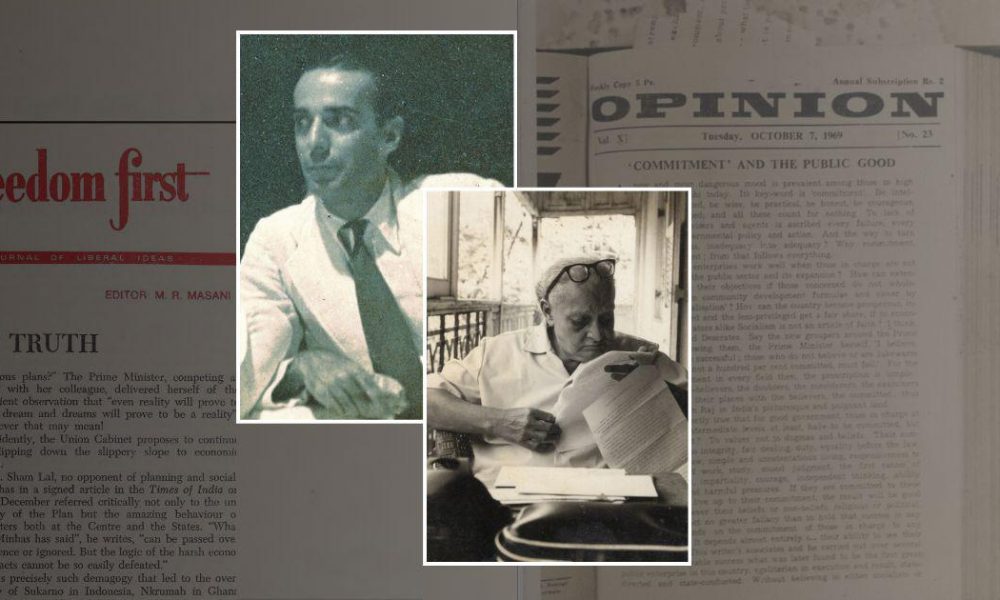
On the fateful morning of June 26, 1975, a typical day at the newsroom was abruptly shattered when Dhun Mehta, a former neighbor, walked by and shared alarming news. He informed the journalists present that several prominent opposition leaders—including Jayaprakash Narayan, Morarji Desai, Jyoti Basu, and LK Advani—had been arrested. Alongside this troubling news, Mehta revealed that a state of emergency had been declared across India, and strict censorship had been imposed. This shocking announcement caught everyone off guard, as local newspapers had completely ignored the unfolding events.
Mehta had gleaned this information from BBC Radio earlier that day, emphasizing the stark contrast between the reality outside and the silence within the Indian press. Just two weeks prior, on June 12, the Allahabad High Court had delivered a verdict against Prime Minister Indira Gandhi, finding her guilty of electoral malpractices during the 1971 general elections. The court’s decision sparked a wave of dissent, with Narayan leading calls for Gandhi to resign. In a bid to contest the ruling, she sought the expertise of Nani Palkhivala, a distinguished lawyer and advocate for civil rights. Surprisingly, Palkhivala accepted the challenge, despite the political storm brewing around them.
As the situation escalated, Indira Gandhi faced increasing pressure and was reportedly influenced by her son, Sanjay Gandhi, to adopt a more aggressive stance against dissent. Fearing the ramifications of her legal battles and the potential loss of power, she ultimately made a fateful decision to suspend civil liberties across the nation, effectively silencing dissenting voices. This act marked the beginning of a tumultuous period in India’s history, characterized by widespread censorship and the suppression of democratic rights.
The Emergency lasted for nearly two years, during which the government cracked down on free speech and dissent. Journalists faced intense pressure to conform to government narratives, and many chose to self-censor their reporting. However, some brave individuals, like Mehta and his colleagues, refused to bow down. They continued to seek the truth and report on the ground realities, even at great personal risk. Their commitment to journalism during this period of repression is a testament to the resilience of the Fourth Estate in India.
Today, as we reflect on that dark chapter in Indian democracy, it is vital to remember the courage of those who stood up against censorship. Their legacy serves as a reminder of the importance of a free press in safeguarding democracy and protecting civil rights. The sacrifices made by journalists during the Emergency highlight the critical role they play in holding power accountable and ensuring that the voices of the people are heard, regardless of the political climate.
Source: scroll.in


No Comment! Be the first one.