

Lyse Doucet’s ‘The Finest Hotel in Kabul’ Wins Women’s Prize for Nonfiction, Unveiling Afghan History
The acclaimed book, The Finest Hotel in Kabul: A People’s History of Afghanistan, authored by seasoned journalist Lyse Doucet, has clinched the prestigious Women’s Prize for Nonfiction 2026....

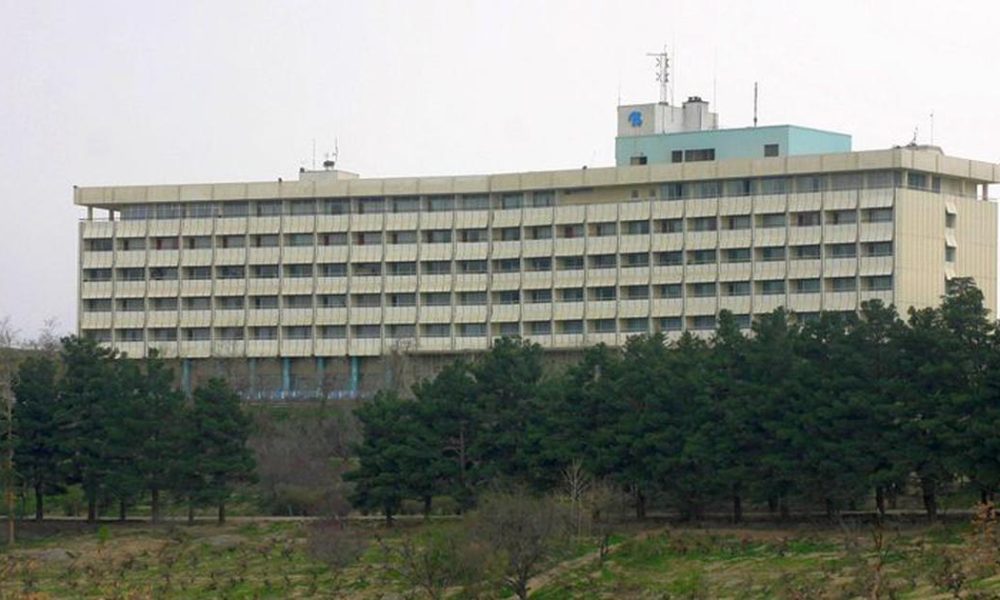
The acclaimed book, The Finest Hotel in Kabul: A People’s History of Afghanistan, authored by seasoned journalist Lyse Doucet, has clinched the prestigious Women’s Prize for Nonfiction 2026. Doucet, who serves as the BBC’s foreign affairs editor, explores the storied history of Afghanistan through the unique lens of the Intercontinental Hotel in Kabul, a structure that has long been a refuge for strangers since its inception in 1969.
As an essential landmark perched on a hilltop, the Intercontinental Hotel serves not just as a physical shelter but also as a metaphorical one, representing the myriad transformations that Afghanistan has undergone over the decades. Doucet skilfully intertwines the narratives of the hotel with the broader socio-political changes in the region, providing readers with an immersive understanding of the fabric of Afghan society.
The book delves into Afghanistan’s pivotal role in the historic Silk Road, a vital corridor that facilitated trade and cultural exchanges. Doucet highlights how the country has been a melting pot of civilizations, where hospitality and commerce have thrived hand-in-hand. The caravanserais, or inns, that once dotted the landscape were more than mere stopovers; they were integral to the community, offering security and fostering relationships among traders from various backgrounds.
Doucet’s exploration extends beyond physical accommodations, as she reflects on the deeply-rooted cultural values of hospitality within Afghan society. The act of caring for guests holds significant moral weight, transcending simple tradition to become a vital part of the local ethos. Whether in bustling urban centers or quiet villages, the warmth and generosity towards guests serve as a testament to the Afghan spirit, which has endured through challenges and turmoil.
As Doucet meticulously recounts the stories of those who have passed through the hotel’s doors, she gives voice to the often-silenced narratives of the Afghan people. This approach not only humanizes the experience of living in a conflict-ridden nation but also celebrates the resilience and richness of Afghan culture. Readers are invited to appreciate the complexities of a country that is far more than its struggles, encouraging a deeper understanding of its history and the people who call it home.
Source: scroll.in







No Comment! Be the first one.