

Lessons from M Visvesvaraya: The Technocrat Who Shaped Modern India
While engineers may not typically bask in the limelight, M Visvesvaraya stands out as a remarkable figure whose legacy continues to inspire across India. Renowned for his pivotal role in extensive...

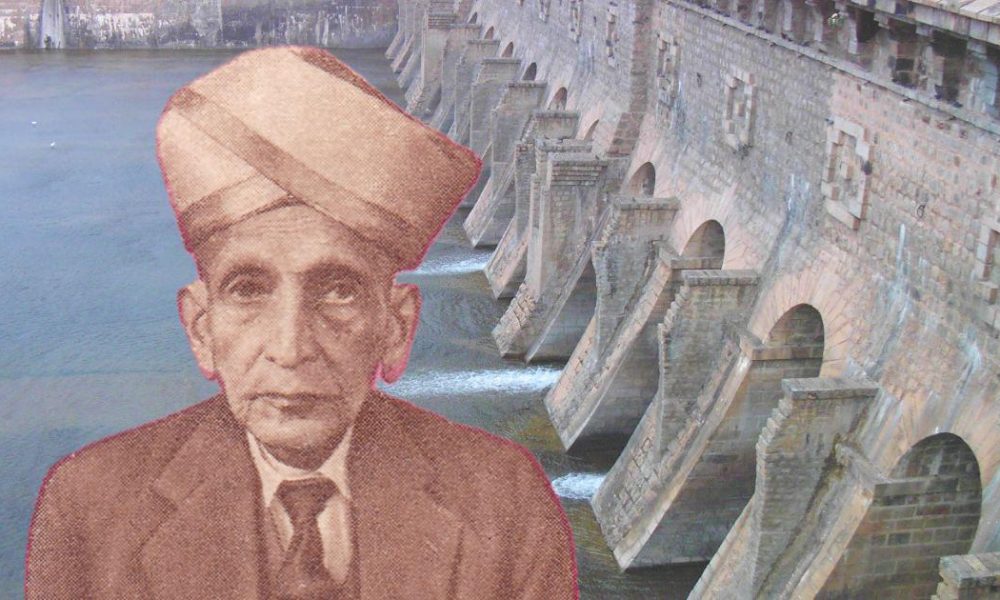
While engineers may not typically bask in the limelight, M Visvesvaraya stands out as a remarkable figure whose legacy continues to inspire across India. Renowned for his pivotal role in extensive development initiatives during the British Raj, including the construction of the Krishnarajasagara dam and reservoir in Mysuru, Visvesvaraya emerged as a fervent advocate for industrialization and envisioned a technocratic framework for a future independent India—an outlook that resonates with contemporary challenges.
Aparajith Ramnath, acclaimed author of ‘Engineering a Nation’ and recipient of the 2025 Kamaladevi Chattopadhyay NIF Book Prize, has recently released a comprehensive biography that brings to light the multifaceted life of Visvesvaraya. This narrative not only celebrates his monumental achievements but also serves as a cautionary tale regarding the potential pitfalls of technocratic ideologies.
Born in a modest town within the former princely state of Mysore in 1861, Visvesvaraya’s journey is one of perseverance and groundbreaking success. He began his career as a civil engineer with the Bombay Public Works Department in 1884, entering a field characterized by significant barriers for Indians. Demonstrating exceptional competence and determination, he quickly ascended the ranks, eventually becoming the chief engineer of the Mysore state. His relentless drive and commitment to progress propelled him into the role of diwan, or prime minister, of Mysore in 1912.
Visvesvaraya was not merely a planner but a doer, overseeing ambitious projects that laid the groundwork for modern infrastructure in India. His relentless work ethic and visionary mindset led to transformative changes in various sectors, advocating for a blend of traditional knowledge and modern engineering practices. However, as Ramnath highlights in his discussion, there is a necessity for balance—an understanding that while technocratic approaches can foster development, they must also be tempered with social consciousness and inclusivity.
This discussion is particularly relevant today, as India grapples with rapid urbanization and technological advancements. The teachings from Visvesvaraya’s life remind contemporary engineers and policymakers of the importance of integrating visionary planning with humane and equitable outcomes. As we look to the future, his story serves as both an inspiration and a reminder of the responsibilities that come with shaping the nation’s development.
Source: scroll.in






No Comment! Be the first one.