

Parliamentary Panel Demands Apology from Zuckerberg After Modi Video Removal Incident
In a significant development, the head of the parliamentary committee on information technology, Nishikant Dubey, has issued a stern ultimatum to Meta CEO Mark Zuckerberg, demanding an apology within...

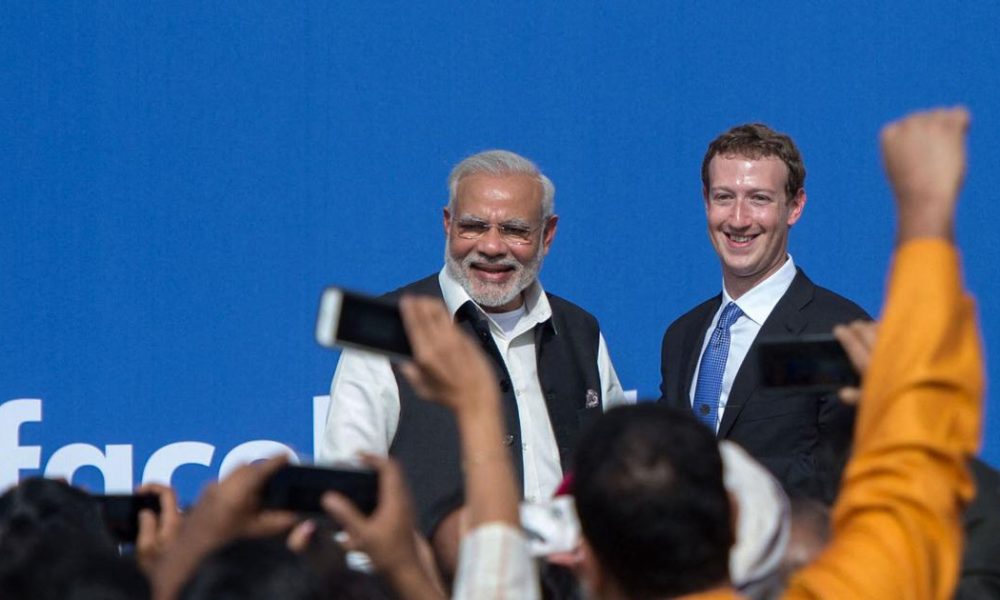
In a significant development, the head of the parliamentary committee on information technology, Nishikant Dubey, has issued a stern ultimatum to Meta CEO Mark Zuckerberg, demanding an apology within three days. This comes in response to Facebook’s temporary removal of a video featuring Prime Minister Narendra Modi, a move that has sparked outrage among Indian lawmakers.
Dubey stated that if Zuckerberg fails to comply with the demand, the committee will take measures to revoke the ‘safe harbour’ protection currently enjoyed by Facebook and its affiliate platforms. This legal provision, defined under the Information Technology Act, grants online intermediaries immunity from legal liability for third-party content, provided they adhere to governmental directives. The committee’s stance suggests a growing frustration with perceived misuse of this privilege by social media companies.
During a press interaction, Dubey emphasized that the responsibility for removing the video should not be attributed to an intermediary like Facebook but rather to the platform itself, likening its role to that of a publisher. He further stated that the committee had informed the Union ministries of home affairs and information technology about this issue, asserting that social media platforms must be held accountable for their content management practices.
Highlighting the broader implications, Dubey warned that there could be a surge in first information reports (FIRs) against Zuckerberg if an apology does not materialize. This statement underscores a rising sentiment among Indian lawmakers regarding the regulation and accountability of global tech giants operating within the country. The potential revocation of safe harbour status could lead to significant legal ramifications for Facebook and similar platforms, making them liable for content shared by users.
The incident raises critical questions about the balance between free speech and the responsibilities of social media platforms in India. Given the increasing scrutiny on digital content and the role of tech companies in shaping public discourse, the outcome of this situation could set a precedent for future interactions between the Indian government and global social media firms. With ongoing concerns about the spread of misinformation and harmful content online, the committee’s actions reflect a broader push for stricter regulations governing social media conduct in the country.
Source: scroll.in






No Comment! Be the first one.