

India’s Jungle Cats Flourish in Diverse Habitats, New Study Reveals
A recent comprehensive study has shed light on the distribution and population potential of jungle cats in India, revealing that the country could sustain over 300,000 individuals of this elusive...

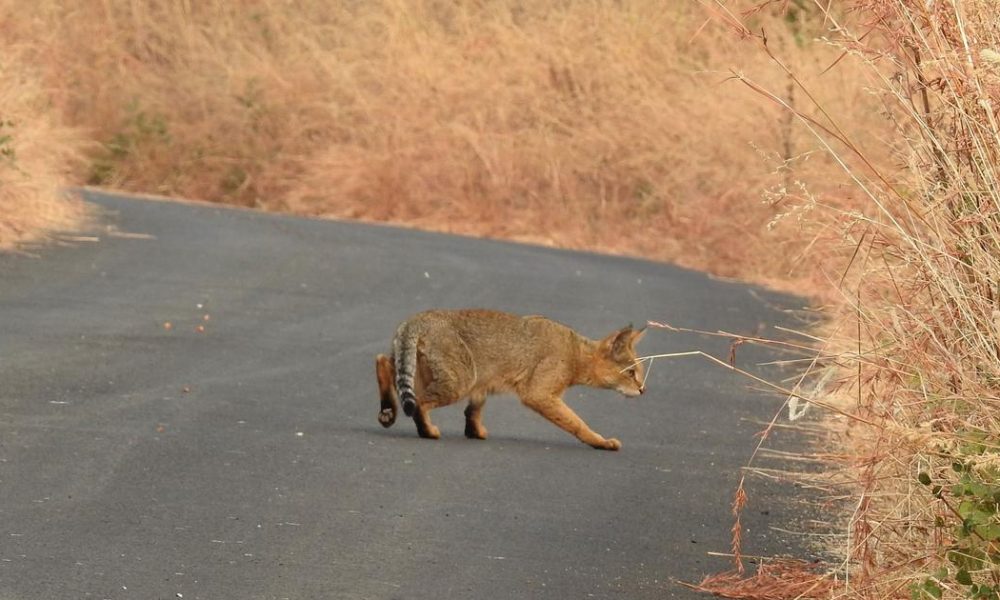
A recent comprehensive study has shed light on the distribution and population potential of jungle cats in India, revealing that the country could sustain over 300,000 individuals of this elusive feline species. This enlightening research, led by Kathan Bandyopadhyay, has significantly expanded our understanding of jungle cats (Felis chaus), particularly regarding their habitat preferences, population dynamics, and interactions with other big cats like tigers and leopards.
The study, published in the journal Scientific Reports, utilized more than 6,000 verified sightings of jungle cats to create a detailed map of their suitable habitats across India. Most of this data was sourced from extensive tiger surveys, illustrating the interconnectedness of wildlife habitats in the region. The findings indicate that jungle cats are most commonly found in warm, semi-arid areas that experience moderate rainfall, often coexisting with human populations.
Researchers identified approximately 545,000 square kilometers of potential habitat for jungle cats, highlighting regions in states such as Madhya Pradesh, Rajasthan, Odisha, Chhattisgarh, Maharashtra, and Gujarat as likely hotspots for sizable jungle cat populations. This revelation is crucial, as it underscores the importance of conserving not only these cats but also the broader ecosystems that support them.
Shomita Mukherjee, a senior principal scientist at the Salim Ali Centre for Ornithology and Natural History, emphasized the significance of this research, noting that the effort invested in studying a species that may seem common at first glance is commendable. The jungle cat plays a critical role in the ecological balance, and understanding their habits and habitats is vital for their conservation, especially in light of increasing habitat loss and illegal wildlife trade.
Jungle cats thrive in open environments, such as grasslands, scrublands, wetlands, and agricultural mosaics, while they tend to shy away from dense forests and urban areas. Their physical adaptations, including long legs and slender bodies, facilitate movement across tall grasses, making them adept hunters in their preferred habitats.
This study not only shines a spotlight on the jungle cat but also serves as a call to action for wildlife conservation efforts in India. As human activities continue to encroach upon natural habitats, understanding the ecological needs of jungle cats is vital for ensuring their survival and preserving the biodiversity of Indian wildlife.
Source: scroll.in







No Comment! Be the first one.