

Supreme Court Halts High Court Proceedings on Controversial Transgender Rights Amendment
In a significant legal development, the Supreme Court of India has temporarily halted the proceedings in four High Courts regarding petitions that challenge the amendments made to the Transgender...

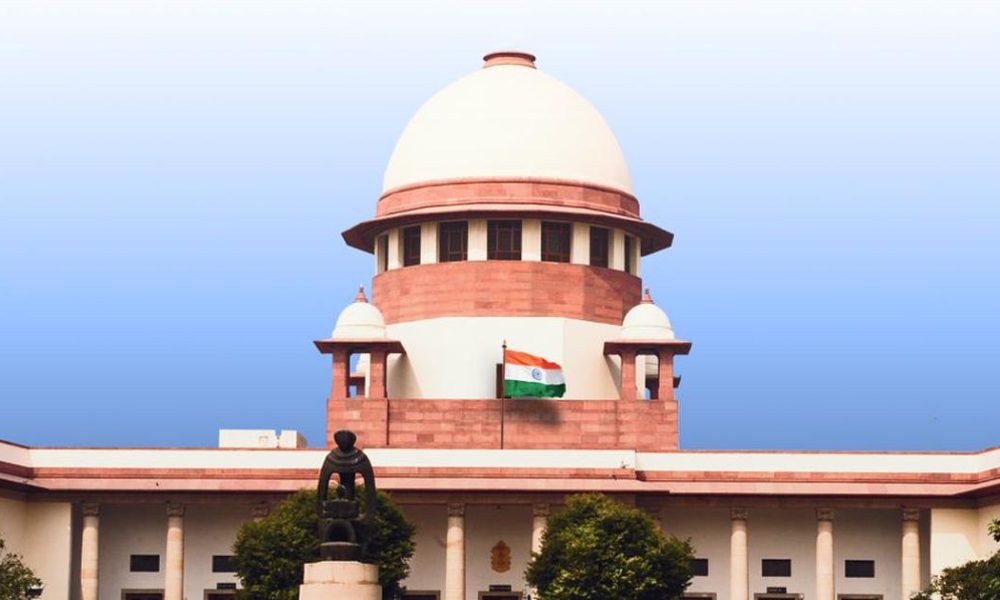
In a significant legal development, the Supreme Court of India has temporarily halted the proceedings in four High Courts regarding petitions that challenge the amendments made to the Transgender Persons Protection of Rights Act. This decision was announced on Monday during a session that included Chief Justice Surya Kant and Justice V Mohana, who have issued notices to the relevant parties involved in the case.
The Union government’s petitions requested the transfer of ongoing cases from various High Courts to the Supreme Court, which has now indicated it may either take over these cases directly or consolidate them for assignment to a specific High Court. The petitions in question are currently before the High Courts of Rajasthan, Karnataka, Kerala, and Delhi, raising critical issues surrounding the rights and recognition of transgender individuals in India.
The amendments to the Transgender Persons Protection of Rights Act were controversial and passed by Parliament on March 25, after a motion to refer the bill to a select parliamentary committee was rejected. This legislation, initially introduced in the Lok Sabha on March 13, modifies the original 2019 Act significantly, redefining who is considered a transgender person. Notably, the amendments have sparked widespread debate and concern among activists and the LGBTQ+ community.
Among the most contentious changes is the removal of the right to self-identify as a transgender person, with the law now imposing limitations based on biological characteristics or specific socio-cultural identities such as kinner, hijra, aravani, and jogta. Furthermore, the requirement for medical evaluation and certification for legal gender recognition has raised alarms about the implications for personal autonomy and dignity, with many arguing that it undermines the very essence of transgender rights.
The ongoing legal battles reflect a deeper societal struggle over the recognition and affirmation of transgender identities in India. As the Supreme Court prepares to address these petitions, many are watching closely, hoping for a ruling that will affirm the rights and dignity of transgender individuals in the face of legislative changes that many see as regressive. The outcomes of these cases could have far-reaching implications not only for the legal landscape regarding transgender rights but also for the broader discourse on identity and acceptance in Indian society.
Source: scroll.in







No Comment! Be the first one.