

Tarun Bhartiya’s ‘Em No Nahi’: A Photobook That Captures the Struggle of Khasi Hills Against Uranium Mining
The Khasi Hills, known for their breathtaking landscapes and rich culture, are the backdrop for Tarun Bhartiya’s poignant photobook, ‘Em No Nahi’, which sheds light on the pressing issue...

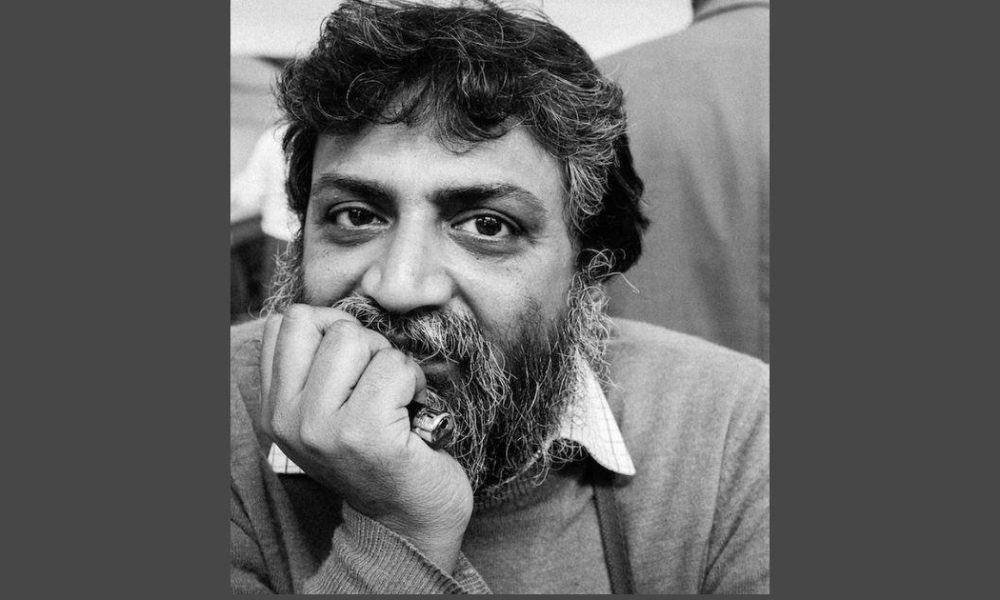
The Khasi Hills, known for their breathtaking landscapes and rich culture, are the backdrop for Tarun Bhartiya’s poignant photobook, ‘Em No Nahi’, which sheds light on the pressing issue of uranium mining in the region. This posthumously published work celebrates the resilience of local communities, particularly spotlighting the matriarchal figure Kong Spillity Lyngdoh Langrin, who has been at the forefront of the resistance against governmental and corporate incursions into their land.
At first glance, the photobook opens with a stark black-and-white image that captures the expansive beauty of the Khasi Hills. The scene is strikingly interrupted by a goat, symbolizing the simplicity and unvarnished reality of rural life. Another image features a child standing in front of a tin hut, encapsulating the innocence of youth in stark contrast with the looming threats posed by industrial advancements. These visuals not only set the tone for the book but also provoke thought about the delicate balance between nature and human intervention.
Bhartiya, although having moved to Shillong at the tender age of nine, was often labeled as a ‘Dkhar’, or outsider, in a community where cultural identity runs deep. However, this did not deter him from immersing himself in the socio-political landscape of Northeast India. As a documentary filmmaker, photographer, and poet, his work was characterized by a profound engagement with the issues faced by local communities, especially regarding the ecological threats they endure.
The title ‘Em No Nahi’, which can be translated to ‘They Are Not’, speaks volumes about the struggle and determination of the Khasi people. It signifies their stance against the exploitation of their land and resources, particularly in light of endeavors by the Atomic Minerals Division of the Indian government to mine uranium. The imagery in the book is more than mere representation; it serves as a testament to a community’s fight for their rights and their way of life, amidst growing external pressures.
Through ‘Em No Nahi’, Bhartiya’s legacy continues to resonate, reminding readers not only of the beauty of the Khasi Hills but also of the urgent need to protect such landscapes from destructive practices. The photobook stands as a poignant reminder of the intrinsic link between identity, environment, and the perpetual struggle for justice in the face of adversity. It invites us to reflect on the larger implications of environmental degradation and the voices that often go unheard in the shadows of progress.
Source: scroll.in






No Comment! Be the first one.