

Controversy Erupts Over Centre’s Move to Ease Liquor Sales in Ladakh and Lakshadweep
The recent announcement by the Union government to liberalise liquor sales in Ladakh and to lift the longstanding prohibition in Lakshadweep has drawn significant backlash from local communities and...

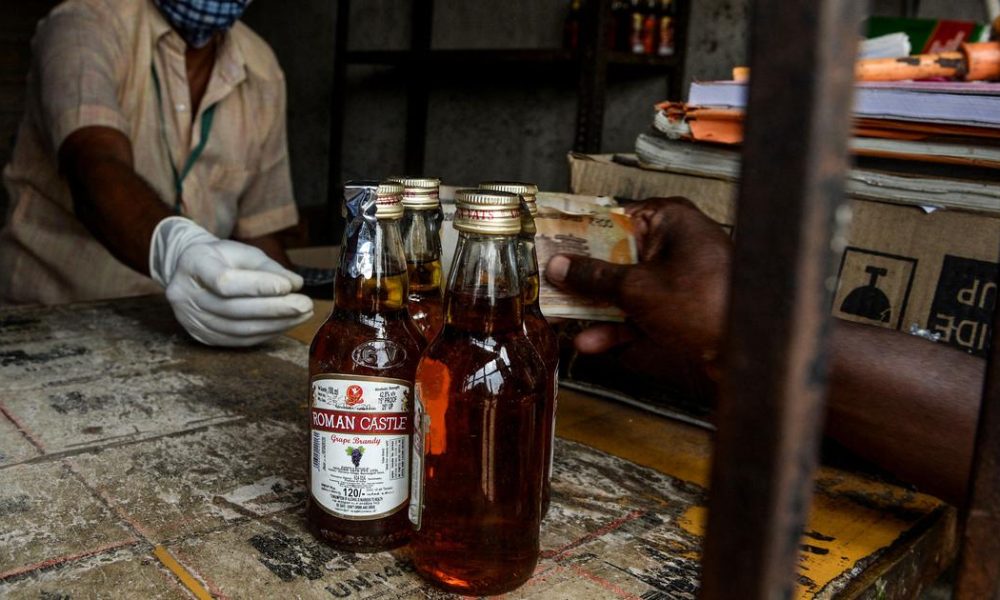
The recent announcement by the Union government to liberalise liquor sales in Ladakh and to lift the longstanding prohibition in Lakshadweep has drawn significant backlash from local communities and civic organizations. Critics argue that these decisions undermine the cultural and social fabric of the regions, where many have long advocated for maintaining stringent regulations against alcohol.
In Ladakh, the Ladakh Buddhist Association has vocally opposed the government’s new liquor policy, emphasizing a vision for a “safe, healthy and drug-free future” for the Union Territory. Their concerns are echoed by the Jamiat Ul Ulama Isna Asharia Kargil, a prominent Muslim organization that has called for an immediate reversal of the policy, demanding a renewed ban on the sale and distribution of liquor.
Historically, Lakshadweep, which boasts a Muslim-majority population, has enforced a prohibition on liquor sales since 1979. Local residents and civil society groups have consistently resisted any attempts to relax these restrictions, claiming that such moves are being made without adequate consultation with the communities most affected. Proponents of the ban argue that liquor liberalization could lead to social issues, including increased substance abuse and disruption of community ties.
The liberalisation policy, approved by Lieutenant Governor VK Saxena on May 30, permits the sale of hard liquor, including foreign brands and Indian Made Foreign Liquor, which marks a significant shift from previous regulations that allowed only beer, wine, and ready-to-drink beverages. The administration justifies this decision as a necessary step to strengthen regulation, reduce illicit trade, and promote tourism by offering a broader selection of alcoholic beverages in a controlled environment.
Under the new policy, liquor shops are now permitted to operate in guest houses and homestays, expanding access beyond the previous limitation that confined liquor service to hotels. This move is part of a broader strategy aimed at enhancing the tourism sector in Ladakh, which has been identified as a key area for economic growth. However, the local population’s critical response suggests a potential clash between government initiatives and community values.
Source: scroll.in






No Comment! Be the first one.