

Taliban’s Education Ban Leaves Afghan Women Academics in Despair
In the wake of the Taliban’s return to power in Afghanistan, female academics are grappling with the harsh realities of educational and professional exclusion. Many women who dedicated years to...

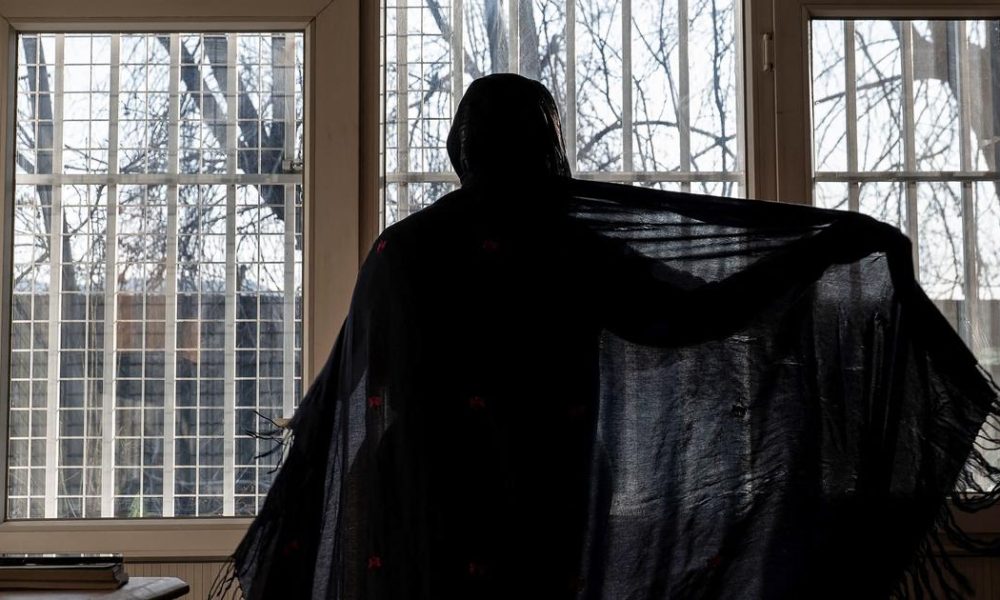
In the wake of the Taliban’s return to power in Afghanistan, female academics are grappling with the harsh realities of educational and professional exclusion. Many women who dedicated years to their careers, earning advanced degrees and nurturing countless students, now find themselves barred from the workplace simply due to their gender. This stark regression mirrors a painful chapter in Afghanistan’s history, where women’s rights were stripped away during the Taliban’s previous rule from 1996 to 2001.
Interviews conducted with a dozen Afghan female academics reveal the profound impact of this situation. Eight women remain in Afghanistan, and only one has managed to leave, while the others endure a suffocating atmosphere of despair and uncertainty. Educators who once contributed to a burgeoning higher education landscape are now sidelined, their expertise rendered irrelevant. The remarkable progress seen prior to the Taliban’s resurgence—from 5,000 female students in 2001 to over 100,000 by 2021—has been painfully undone, with universities closing their doors to women by December 2022.
The previous two decades had seen a significant rise in female representation in higher education, leading to a burgeoning workforce of educated women. By 2021, women comprised 28% of university students and 14% of academic staff. This hard-fought progress, however, has been reversed almost entirely, plunging female academics back into a state of exclusion reminiscent of the late 1990s.
The stories shared by these women highlight not just the loss of careers and the ability to educate future generations, but the emotional toll of being stripped of their identities as scholars and professionals. They describe a sense of gradual death, as each day passes without the opportunity to contribute to society. The psychological impact of this ban is profound, leading to feelings of hopelessness and despair among many of these educators.
As the Taliban regime imposes these draconian measures, the international community is watching closely. The plight of Afghan women serves as a stark reminder of the ongoing struggles for gender equality and the importance of safeguarding educational rights. Advocates around the world are calling for action and support for Afghan women, urging nations to stand up against such oppressive policies and ensure that education remains accessible for all.
Source: scroll.in







No Comment! Be the first one.