

Israel and Lebanon Reach Ceasefire Agreement Amid Rising Tensions
In a significant diplomatic development, Israel and Lebanon announced on Wednesday their agreement to renew a ceasefire, aimed at facilitating ongoing negotiations for a more comprehensive peace...

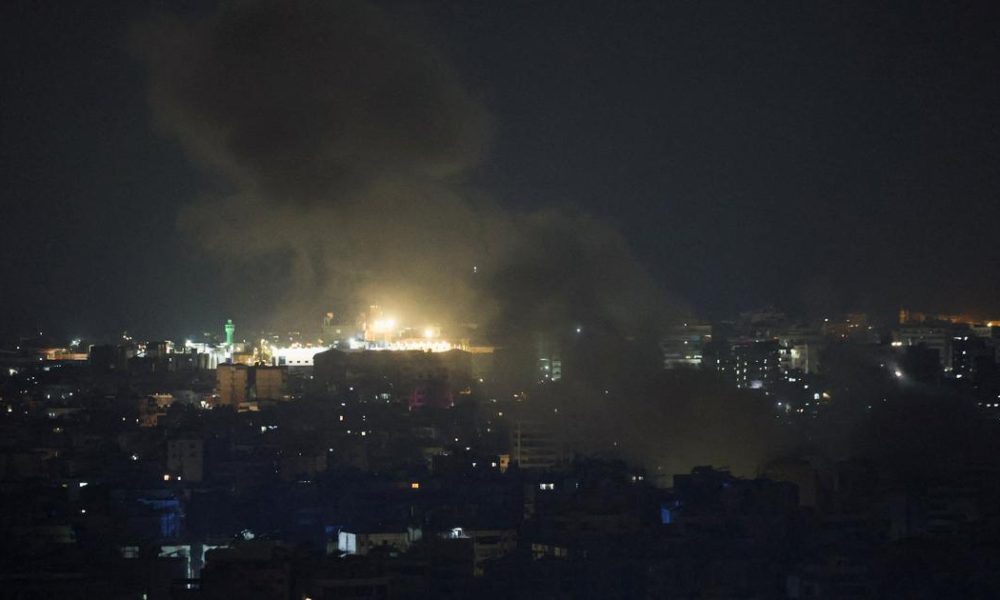
In a significant diplomatic development, Israel and Lebanon announced on Wednesday their agreement to renew a ceasefire, aimed at facilitating ongoing negotiations for a more comprehensive peace arrangement. This joint declaration, made in collaboration with the United States, underscores the urgent need for stability in a region historically plagued by conflict.
The renewed ceasefire hinges on a full stop to hostilities from Hezbollah, the Iran-backed militant group that operates independently of the Lebanese government. Israeli Ambassador to the US, Michael Leiter, emphasized that the militant organization, while influential, is not a formal participant in the peace negotiations, complicating the situation further.
The backdrop of this agreement is marked by escalating tensions following a series of violent encounters. Notably, a US-led strike on February 28 resulted in the death of Iranian Supreme Leader Ali Khamenei, prompting Hezbollah to retaliate with attacks on Israeli targets starting March 2. Despite a ceasefire brokered by Washington taking effect on April 17, sporadic violence continued to undermine the fragile peace.
The joint statement released on Wednesday followed a contentious phone call between US President Donald Trump and Israeli Prime Minister Benjamin Netanyahu, which reportedly included heated exchanges over Israel’s military operations in Lebanon. Such developments suggest a volatile situation that could have broader implications for regional security and diplomacy.
Amid these tensions, Tehran has made it clear that it may halt its discussions with the US if Israeli military actions persist in Lebanon. The latest agreement includes a proposal for the establishment of “pilot zones,” where the Lebanese Armed Forces would gain exclusive control, effectively limiting the influence of non-state actors like Hezbollah within those territories.
The fourth round of high-level talks between Israeli and Lebanese officials reflects a critical moment in their fraught history, with both sides acknowledging the necessity for dialogue to mitigate further conflict. As both nations navigate this complex landscape, the international community, especially India, is closely monitoring the situation, given its implications for peace and stability in West Asia.
Source: scroll.in







No Comment! Be the first one.