

Understanding Survival: The Struggles of Communities on Climate Frontlines in India
The increasing frequency of climate-related disasters has placed immense pressure on communities situated at the forefront of environmental changes. In India, these frontline communities face...

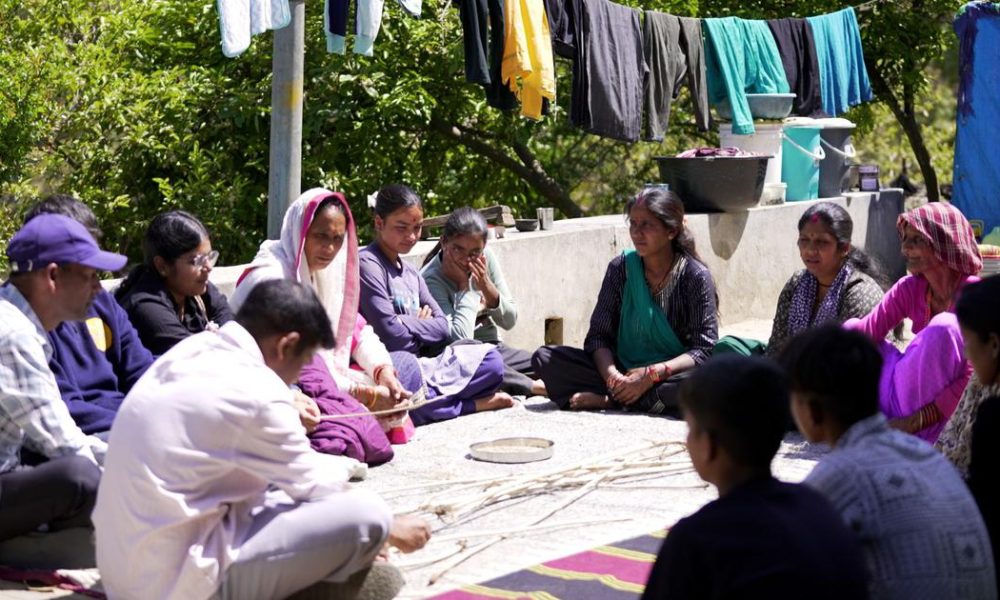
The increasing frequency of climate-related disasters has placed immense pressure on communities situated at the forefront of environmental changes. In India, these frontline communities face survival challenges like never before, as they grapple with the consequences of climate change that threaten their livelihoods, health, and cultural identities.
Across various regions in India, particularly in coastal and agricultural areas, climate change has manifested through erratic weather patterns, rising sea levels, and extreme temperatures. For many indigenous and rural populations, whose lives are intricately woven into the fabric of their surroundings, these changes are not mere statistics but a daily reality that challenges their existence. The struggle for survival often involves navigating not just physical threats like floods and droughts, but also socio-economic hurdles that exacerbate their vulnerability.
In the recent episode of Eco India, the focus shifted towards understanding what survival truly means for those living on these climate frontlines. It explores the adaptive strategies employed by communities as they confront the multifaceted impacts of climate change. From sustainable farming practices that enhance soil health to the use of traditional knowledge in disaster preparedness, these communities exemplify resilience in the face of adversity.
Moreover, the episode sheds light on the critical role of policy-making and government support in facilitating these adaptive measures. As India commits to ambitious climate action goals, it is crucial for policymakers to prioritize the needs of those most affected by environmental changes. This includes not only immediate relief measures but also long-term strategies that empower communities to innovate and adapt sustainably.
Ultimately, the discussion around survival for climate frontline communities extends beyond mere endurance; it encompasses the hope for a more sustainable future where such communities can thrive despite the changing climate. By understanding their struggles and successes, there is an opportunity for broader societal changes that can foster equity and resilience in the face of ongoing environmental challenges.
Source: scroll.in







No Comment! Be the first one.