

Union Government Appoints Five New Judges to the Supreme Court
In a significant move to bolster the judicial system, the Union government has announced the appointment of five new judges to the Supreme Court, enhancing its operational strength to 37 justices....

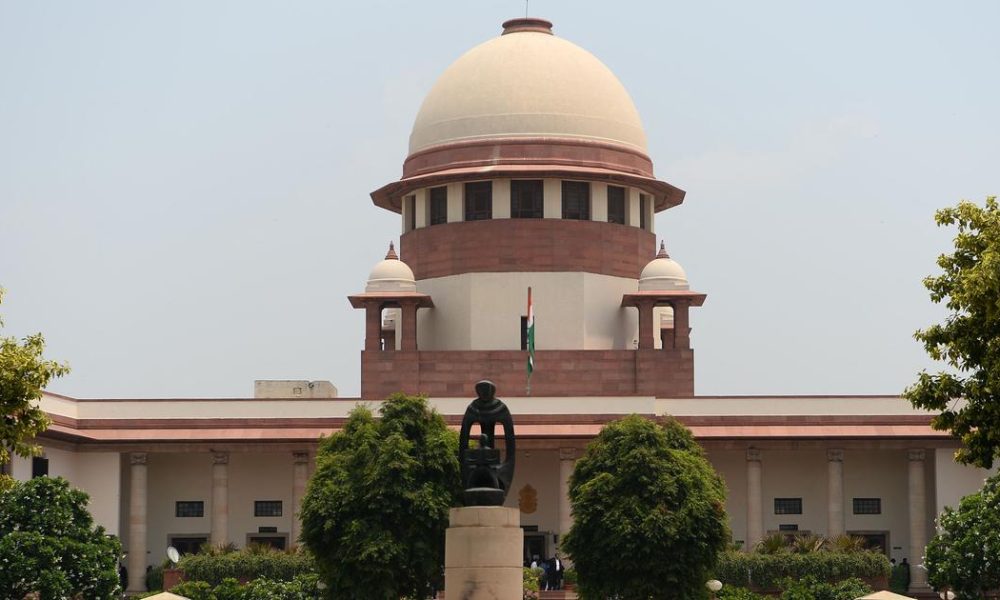
In a significant move to bolster the judicial system, the Union government has announced the appointment of five new judges to the Supreme Court, enhancing its operational strength to 37 justices. This decision was formalized on Monday after receiving approval from President Droupadi Murmu, following consultations with Chief Justice Surya Kant.
The newly appointed judges include Justice Sheel Nagu from the Punjab and Haryana High Court, Justice Shree Chandrashekhar from the Bombay High Court, Justice Sanjeev Sachdeva from the Madhya Pradesh High Court, Justice Arun Palli from the Jammu and Kashmir High Court, and senior advocate Venkita Subramani Mohana. Notably, Mohana becomes only the second woman to be directly elevated from the Bar to the Supreme Court, joining Justice Indu Malhotra in this exclusive distinction. With this appointment, she will also serve as one of the only two women judges currently on the Supreme Court bench, alongside Justice BV Nagarathna.
This expansion of the Supreme Court’s bench has been a topic of discussion since the Union Cabinet approved a bill on May 5 that aimed to increase the sanctioned strength of the Supreme Court to 38 judges, including the Chief Justice. The latest appointments bring the court one step closer to reaching its authorized capacity, which is seen as a crucial step to enhance its efficiency and ability to deliver timely justice.
Union Minister Ashwini Vaishnaw highlighted the importance of this initiative, emphasizing that the increase in judges is essential given the current backlog of nearly 92,000 pending cases in the Supreme Court. By augmenting the strength of the court, the government aims to ensure that justice is not only effective but also expedited.
The Supreme Court has faced mounting pressures due to a surge in case filings, leading to longer waiting times for justice. The recent appointments are seen as a proactive measure to address these challenges and improve judicial accessibility for citizens across India. As the new judges take their oaths, the legal community and the public alike will be keenly observing the impact of these changes on the court’s functioning and the overall justice delivery system in the country.
Source: scroll.in







No Comment! Be the first one.