

How India Can Navigate the Challenges of AI-Driven Job Displacement
The rise of artificial intelligence (AI) has sparked widespread concerns regarding its potential to disrupt job markets globally, with some experts warning of an impending “AI jobs...

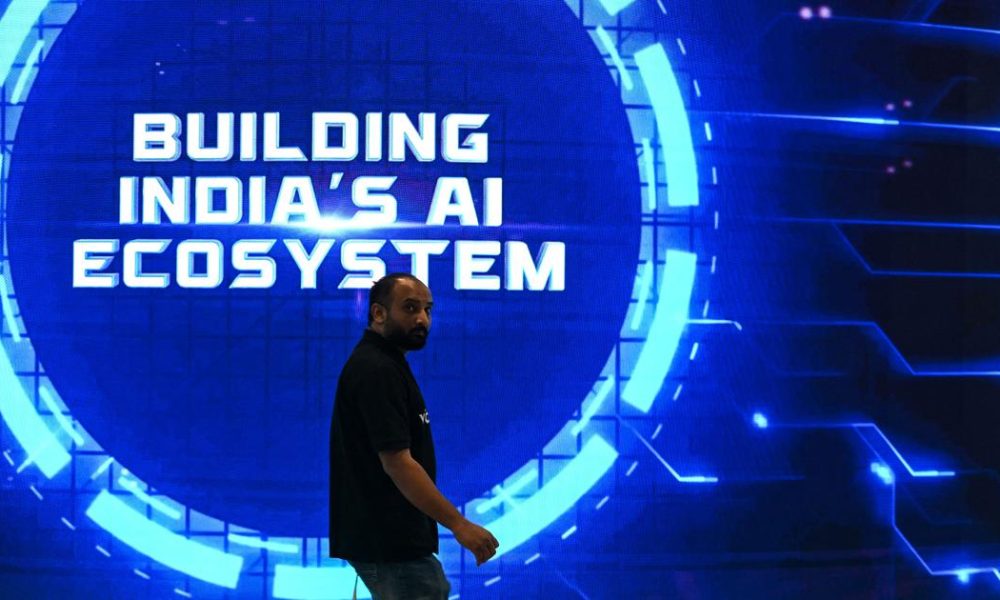
The rise of artificial intelligence (AI) has sparked widespread concerns regarding its potential to disrupt job markets globally, with some experts warning of an impending “AI jobs apocalypse.” A recent article in the Economist emphasized that technological advancements have historically displaced jobs, but the current wave of AI might be different, particularly for nations like India.
In previous technological revolutions, such as mechanization in the early 20th century, job displacement primarily affected manual labor. This shift allowed workers to transition into more skilled roles, especially in the burgeoning service sector. The cycle of job displacement followed by job creation has, over time, led to increased productivity and improvements in living standards. However, the unique nature of AI raises questions about whether this pattern will continue.
The key difference with AI is its capability to automate not just manual labor but also cognitive tasks traditionally performed by highly skilled individuals. As AI systems advance, they threaten to outpace the human workforce in various sectors, particularly in areas like IT, finance, and customer service where automation can enhance efficiency. Although technology has always led to improved productivity, the fear is that AI could fundamentally alter the landscape of employment.
However, India has a distinct advantage due to its large pool of human capital. The nation’s demographic profile, characterized by a young and tech-savvy workforce, positions it well to adapt to the changing job market. By investing in upskilling and reskilling initiatives, India can harness its human resources to navigate potential disruptions. Education systems and vocational training programs need to evolve rapidly to equip workers with skills relevant in an AI-dominated economy.
Furthermore, the government and private sector must collaborate to facilitate job creation in emerging fields. Sectors such as renewable energy, healthcare, and technology offer immense potential for employment growth. If India can successfully pivot towards these industries and foster innovation, it stands a chance to mitigate the adverse effects of AI-induced job displacement while potentially leading in the global AI landscape.
Source: scroll.in







No Comment! Be the first one.