

Exploring Tradition: The Lives of Potter Families by the Riverbank
In a quaint village nestled along the banks of a serene river, two families of potters have perpetuated a time-honored craft that has sustained them for generations. Gathering rich clay from the...

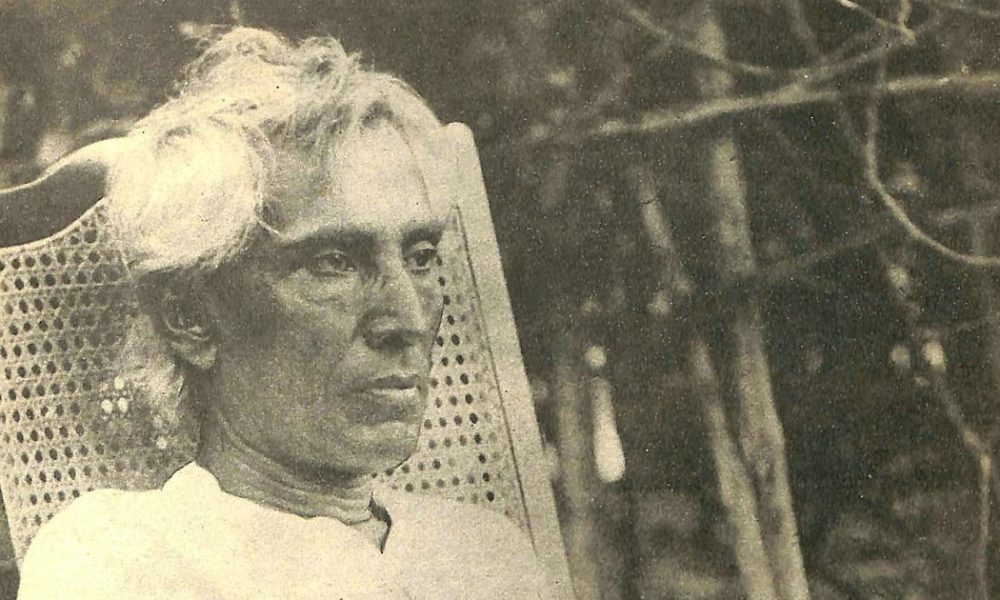
In a quaint village nestled along the banks of a serene river, two families of potters have perpetuated a time-honored craft that has sustained them for generations. Gathering rich clay from the riverbed, they skillfully mold and shape it into exquisite dolls, which they then sell in the local market. This age-old practice not only provides them with a livelihood but also serves as a vital link to their cultural heritage.
The daily routine of these potter families is a blend of hard work and traditional values. The women of the household take on essential roles, fetching water, preparing meals, and nurturing their husbands and children. After tending to their domestic duties, they meticulously extract the baked clay figures from the ash-heap, dusting them off with the ends of their sarees before handing them over to the men for painting. This process is not merely a means of livelihood but a form of artistic expression, reflecting their creativity and cultural legacy.
Among this industrious community is Shaktinath, a Brahmin boy who stands out for his unusual affinity towards the Kumbhokar potters. Eschewing the typical pursuits of his youthful peers, he dedicates his time to the intricate world of clay dolls. Shaktinath takes pride in maintaining the tools used for carving, including bamboo chisels, and approaches the craft with a meticulousness that belies his age. However, he often finds himself disheartened by the careless manner in which some of the figures are painted, leading to inconsistent and haphazard results.
“Sarkar dada, why don’t you take more care in your work?” he once inquired, hoping to understand the seemingly lax approach. The response from the elder potter was pragmatic yet revealing: “If I were to draw with greater precision, I would have to charge more.” This exchange highlights not only the economic pressures faced by the potters but also the intricate balance between artistic integrity and financial viability.
The interplay between tradition, art, and commerce encapsulates the essence of village life for these potter families. As they navigate their daily struggles, they are also custodians of a rich cultural narrative that deserves recognition and preservation. The legacy of their craft is not merely about creating dolls; it is about weaving together the threads of community, family, and self-expression in a world that often overlooks such poignant stories.
Source: scroll.in







No Comment! Be the first one.