

Labour Unions Urge Inclusion of Heat Protection Measures in India’s Labour Codes
In light of the soaring temperatures that have plagued India in recent years, numerous labour unions are calling for urgent reforms to the nation’s labour codes to introduce specific...

In light of the soaring temperatures that have plagued India in recent years, numerous labour unions are calling for urgent reforms to the nation’s labour codes to introduce specific protections for workers exposed to extreme heat. The impact of climate change is evidenced by record-breaking heatwaves, with temperatures regularly exceeding 40 degrees Celsius, especially during the summer months. These unions argue that the current advisories issued by government bodies are insufficient in safeguarding the health and safety of the workforce.
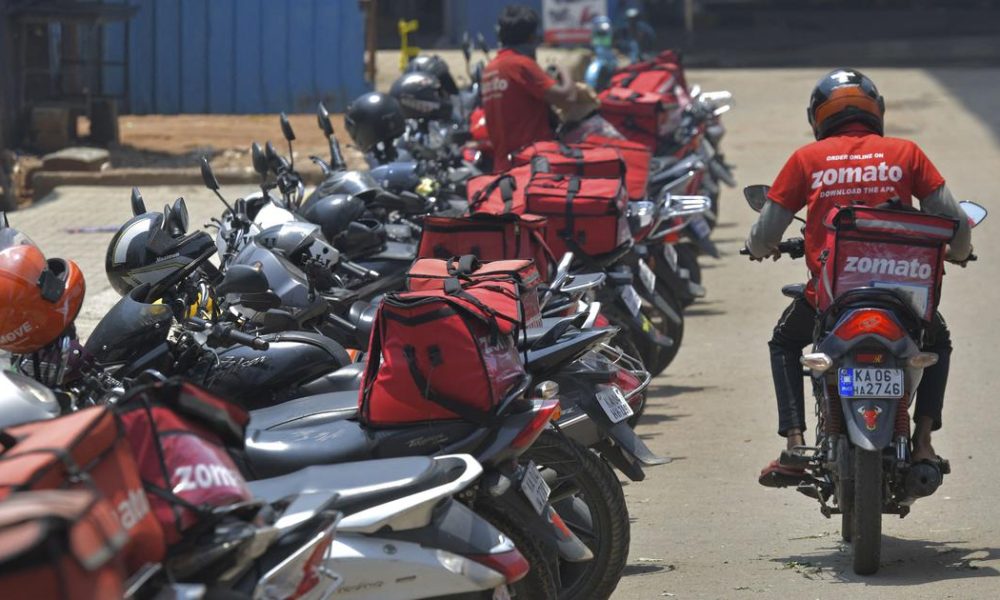
Nirmal Gorana, the National Coordinator of the Gig & Platform Service Workers Union, emphasizes that mere advisories lack the enforcement power to compel adherence among employers. “Advisories don’t scare anybody, so no one is compelled to comply with them,” Gorana stated. Such sentiments echo the concerns of many workers who face heightened risks of heat-related illnesses when exposed to sustained temperatures above 32 degrees Celsius. This is particularly critical for India’s vast informal sector, where workers often have little recourse to protective measures.
The alarming reality of heat exposure came into sharp focus in 2024, which was marked as India’s hottest year on record. During this period, the country witnessed a staggering increase in heatstroke cases, with over 40,000 reported incidents. Aravind Unni, an urban practitioner and researcher specializing in informal labour and urban spaces, noted that this pivotal year significantly shifted public perception regarding the need for enhanced safety protocols against extreme heat. “That year really shaped public opinion about the importance of improving safety measures against heat,” he remarked, highlighting the urgency of the situation.
Research indicates that each incremental rise in temperature can lead to a reduction in agricultural output and worker productivity by approximately 2% to 4%. However, India’s labour laws have not evolved to meet the current realities of climate change and its impact on the workforce. As temperatures continue to climb, the demand for reforming labour codes to include explicit measures for heat protection grows louder.
The call from labour unions stresses the necessity of implementing comprehensive strategies that not only include rescheduling working hours and ensuring access to drinking water but also enforce strict penalties for non-compliance. The goal is to create a safer working environment that recognizes the health risks associated with high temperatures while maintaining productivity levels in critical sectors. As discussions around climate adaptation become increasingly pressing, ensuring the well-being of workers in extreme heat becomes a paramount concern for both policymakers and society at large.
Source: scroll.in







No Comment! Be the first one.