

India’s Pastoral Communities: Unsung Heroes of Pollinator Conservation on World Bee Day
As dawn breaks over the Banni grasslands in Gujarat, a distinct aroma of salt mingles with the earthy scent of wet dung. Buffaloes meander through shimmering blades of silver grass beneath a soft...

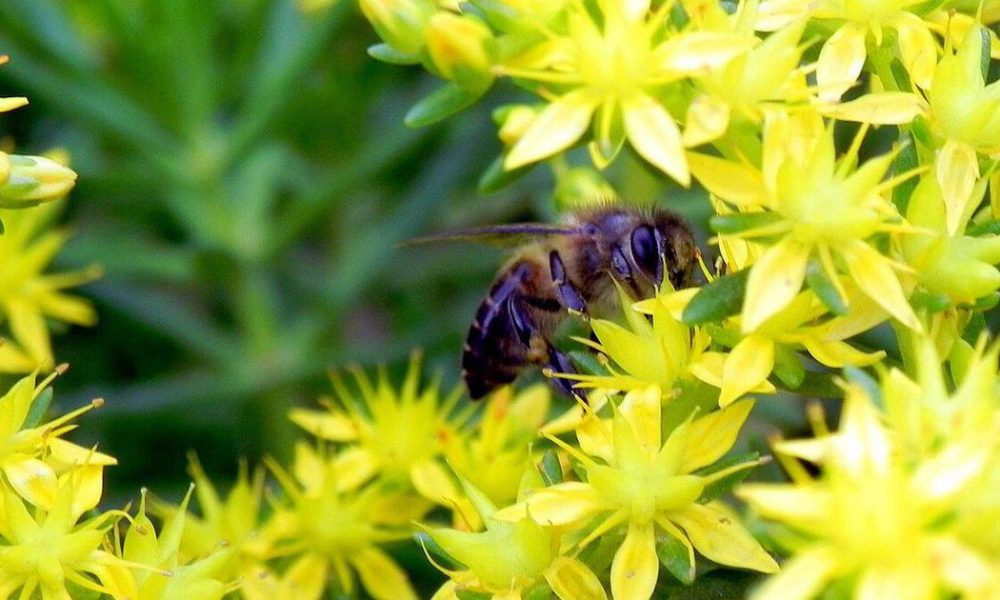
As dawn breaks over the Banni grasslands in Gujarat, a distinct aroma of salt mingles with the earthy scent of wet dung. Buffaloes meander through shimmering blades of silver grass beneath a soft orange sky, while tiny black bees flit among the resilient flowering shrubs that have weathered the harsh summer. Members of the Maldhari community, traditional herders of the region, navigate the landscape with an innate understanding of its rhythms: knowing precisely where water lingers from the winter rains, where grasses bloom early, and where acacia trees will soon burst into flower.
Meanwhile, in the arid expanses of Rajasthan’s Thar Desert, camel herders from the Raika community traverse sandy pastures populated by khejri and ber shrubs. Their camels graze sparingly, ensuring that they do not deplete the vegetation in any single spot. With the arrival of the first monsoon rains, wildflowers occasionally carpet the desert floor, attracting bees in vibrant swarms of gold and brown. These vivid scenes, however, often escape mainstream discussions surrounding biodiversity conservation.
On World Bee Day, celebrated annually on May 20, the focus typically shifts to topics like honey production, commercial beekeeping, and the detrimental impact of pesticides on bee populations. Yet, there is a growing acknowledgment among scientists and grassroots organizations that pastoralist communities play a crucial role in sustaining wild pollinator populations. These herders help maintain vital ecosystems, such as grasslands, grazing commons, scrub forests, and migratory pathways, which have been preserved by their practices for generations.
India is home to a rich diversity of more than 20,000 bee species, many of which depend on the country’s pastoral landscapes for survival. The herds of livestock belonging to various communities not only contribute to the economy through meat and dairy products but also create essential habitats for bees and other pollinators. By promoting the growth of indigenous flora, these pastoralists indirectly support the health of pollinator populations, which are critical for agricultural productivity and ecosystem balance.
As the significance of these pastoralists becomes increasingly recognized, it is essential to integrate their stewardship into broader conservation strategies. The knowledge and practices of communities like the Maldhari and Raika must be valued and preserved, serving as models for sustainable land management. With World Bee Day as a reminder, we must celebrate and support the vital role of India’s herding communities, ensuring that their contributions to biodiversity and pollinator conservation are acknowledged and safeguarded for future generations.
Source: scroll.in







No Comment! Be the first one.