

Madras High Court’s ‘Children of God’ Phrase Sparks Debate on Transgender Rights
In a recent anticipatory bail hearing, the Madras High Court referred to transgender individuals as “children of God,” a phrase that, while seemingly compassionate, has ignited a debate...

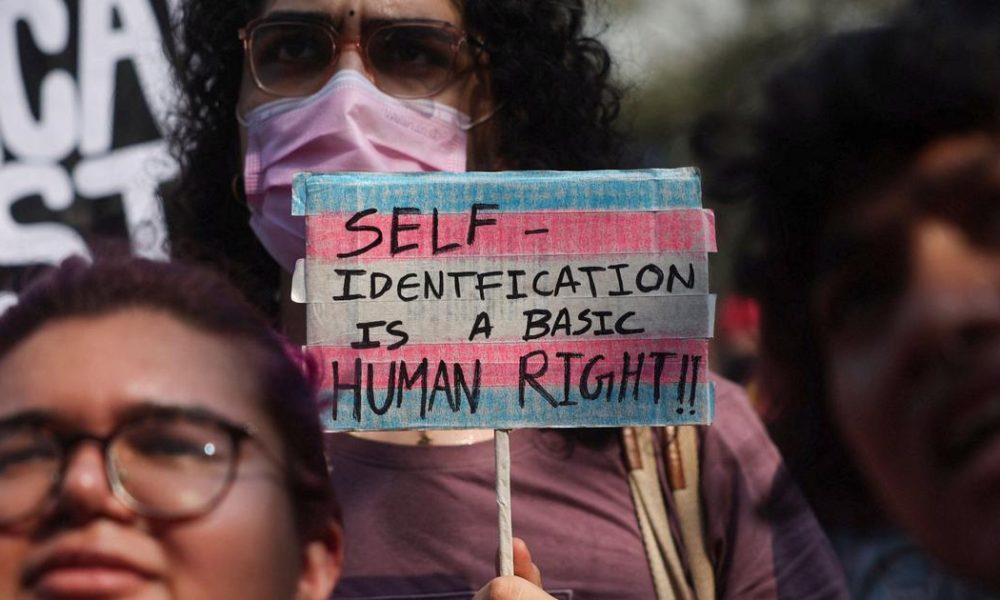
In a recent anticipatory bail hearing, the Madras High Court referred to transgender individuals as “children of God,” a phrase that, while seemingly compassionate, has ignited a debate around the language used to describe marginalized communities in India. This terminology, often perceived as an attempt to restore dignity, raises questions about its implications and the historical context behind such paternalistic language.
The use of the term “children of God” reflects a broader trend in Indian society where emotional and spiritual language is employed to address social issues. This approach is reminiscent of the term “Harijan,” coined by Mahatma Gandhi to label those affected by caste-based discrimination. Like “children of God,” “Harijan” aimed to bestow moral value upon a marginalized group, only to be later criticized by anti-caste activists for promoting a sentimental viewpoint that sidesteps deeper structural critiques.
Indian courts have frequently adopted emotional language when discussing marginalized identities. For instance, in the 2014 landmark ruling of NALSA v. Union of India, the Supreme Court highlighted that transgender persons are often akin to “untouchables.” While this comparison underscored the severe discrimination faced by transgender individuals, the court’s ruling failed to fully explore the intersectionality of caste and gender, treating caste as a mere rhetorical device rather than a substantive issue.
The Madras High Court’s recent reference to transgender individuals marks a noticeable shift from a social analogy to a more sentimental framing. Critics argue that such language can infantilize rather than empower, potentially undermining the urgent need for a rights-based discourse that addresses systemic inequalities and legal protections for transgender persons.
As discussions around LGBTQ+ rights continue to evolve in India, there is a growing demand for language that is both respectful and grounded in an understanding of the complexities of identity. Activists and allies are calling for a shift away from terms that may inadvertently perpetuate stereotypes and towards a more inclusive dialogue that recognizes the autonomy and rights of transgender individuals.
Source: scroll.in







No Comment! Be the first one.