

Karnataka Government Lifts Hijab Ban, Allows Limited Religious Symbols in Schools
The Karnataka government has taken a significant step by revoking the ban on hijabs in educational institutions that was enforced under the previous Bharatiya Janata Party (BJP) administration. The...

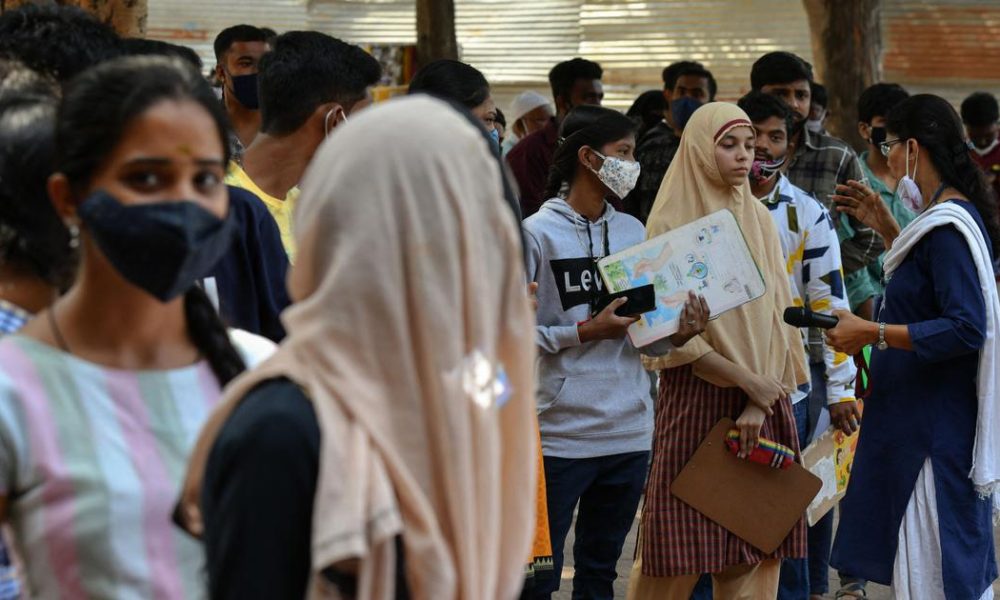
The Karnataka government has taken a significant step by revoking the ban on hijabs in educational institutions that was enforced under the previous Bharatiya Janata Party (BJP) administration. The new directive, announced on Wednesday, paves the way for students to wear ‘limited’ traditional and faith-based symbols while adhering to prescribed school uniforms.
The original order, initiated by former Chief Minister Basavaraj Bommai in February 2022, had prohibited hijabs in classrooms where uniforms were mandated. This policy created considerable unrest when a government college in Udupi barred six female students from attending classes due to their headscarves in December 2021. This incident sparked widespread protests across Karnataka, emphasizing the need for religious rights in educational settings.
In response to the uproar, the students challenged the ban in the Karnataka High Court, which ultimately upheld the original directive, stating that wearing a hijab was not an essential practice of Islam. This ruling faced further scrutiny as it made its way to the Supreme Court. The Supreme Court’s deliberation led to a split verdict in October 2022, with the matter pending further directions from the Chief Justice.
The revocation of the hijab ban marks a noteworthy shift in Karnataka’s educational policies, reflecting the state’s evolving stance on religious symbols within academic institutions. The government’s current directive encourages a more inclusive environment, allowing students to express their cultural and religious identities while still maintaining uniformity within schools and colleges.
This change also acknowledges the sentiments of many students and parents who had argued for the right to wear their religious symbols as a fundamental aspect of their identity. The new guidelines are expected to foster a more harmonious atmosphere in educational institutions, balancing the need for discipline with respect for individual beliefs.
Source: scroll.in







No Comment! Be the first one.