

Supreme Court Expresses Concern Over Slow Progress in Lakhimpur Kheri Violence Trial
The Supreme Court of India has voiced its dissatisfaction regarding the sluggish progress of the trial related to the Lakhimpur Kheri violence that occurred in October 2021. A bench comprising Chief...

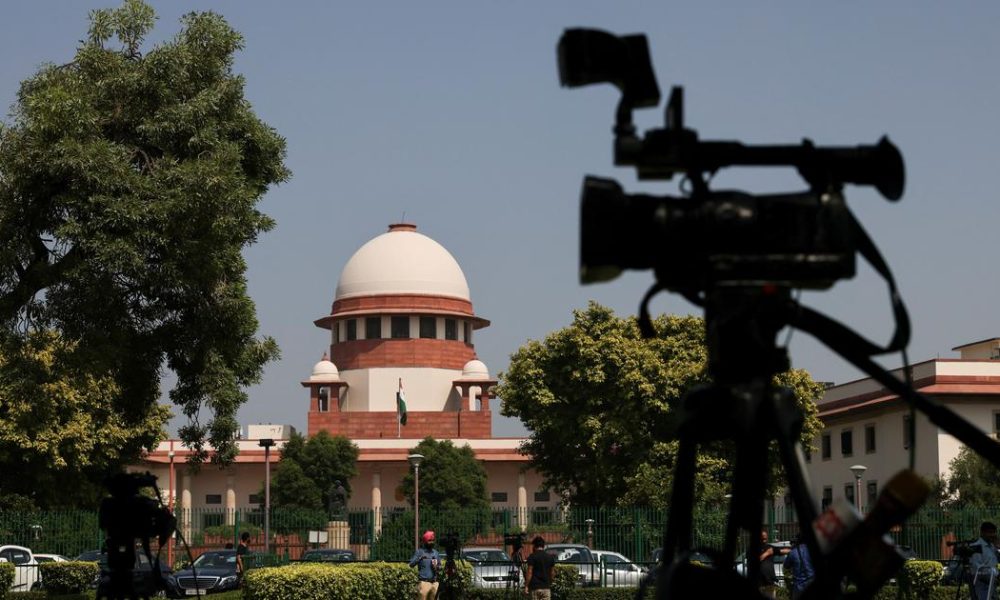
The Supreme Court of India has voiced its dissatisfaction regarding the sluggish progress of the trial related to the Lakhimpur Kheri violence that occurred in October 2021. A bench comprising Chief Justice Surya Kant and Justice Joymalya Bagchi emphasized the urgency of the situation, noting that no witnesses have been presented in court over the past two months, raising questions about the trial’s momentum.
During the hearing, the bench inquired about the lack of witness examination, demanding accountability from the presiding judge. “What have you done since March?” the Chief Justice asked, underscoring the need for immediate action to expedite the legal proceedings. The court instructed the trial judge to take necessary measures to ensure the presence of witnesses and to wrap up the case in a timely fashion. Furthermore, the bench requested a status report to be submitted promptly.
The Lakhimpur Kheri case revolves around the tragic incident on October 3, 2021, where eight individuals, including four farmers, lost their lives during a protest against the now-repealed agricultural laws of the central government. The violence erupted when a vehicle linked to Ashish Mishra, the son of former Union Minister Ajay Mishra, allegedly struck a group of demonstrators, prompting widespread outrage and unrest.
Ashish Mishra, who was arrested shortly after the incident on October 9, 2021, has since been released on interim bail following earlier Supreme Court directives. Currently, the trials are underway in two separate cases related to this incident in a Uttar Pradesh court. The first trial focuses on the fatalities of the protesters, while the second addresses other aspects of the violent outbreak.
This case has drawn national attention, not only because of the tragic loss of life but also due to its implications for farmers’ rights and the contentious agricultural policies that sparked widespread protests across India. The Supreme Court’s intervention highlights the importance of judicial timeliness in delivering justice, particularly in cases that have significant societal ramifications.
Source: scroll.in







No Comment! Be the first one.