

Escalating Tensions: US-Iran Naval Clash Sparks Surge in Oil Prices
The geopolitical landscape in West Asia has once again been shaken following an exchange of fire between the United States and Iran, heightening concerns over regional stability. President Donald...

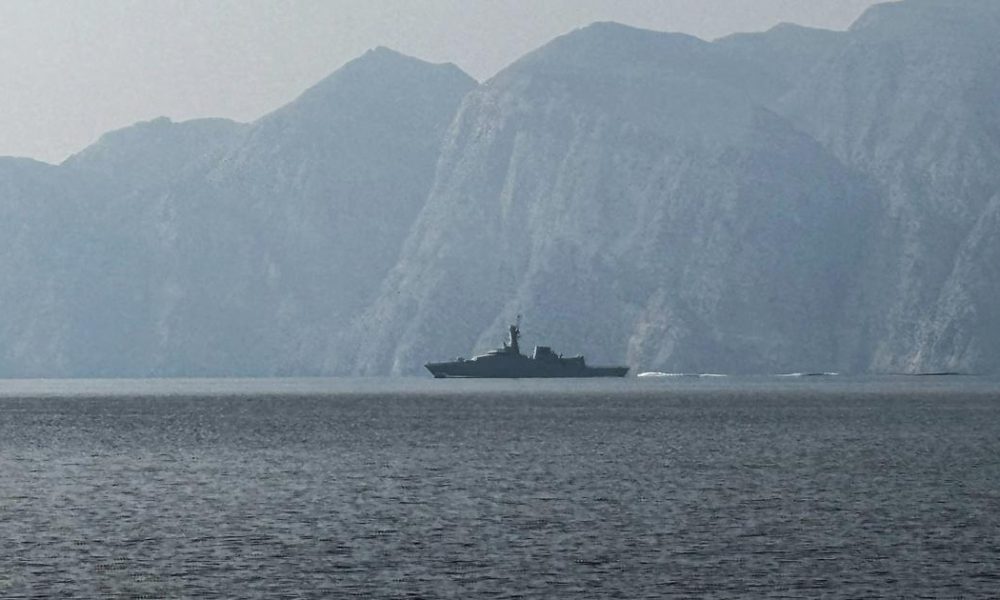
The geopolitical landscape in West Asia has once again been shaken following an exchange of fire between the United States and Iran, heightening concerns over regional stability. President Donald Trump announced on Thursday that three US naval destroyers were targeted while navigating the critical Strait of Hormuz, a crucial waterway for global oil transport. Despite the incident, Trump downplayed the severity of the attacks, labeling them as mere “trifles” while asserting that ceasefire agreements with Iran remain in place.
The repercussions of this military confrontation were immediately felt in the global oil market. On Friday, benchmark Brent crude oil prices surged by 1.7%, climbing to $101.8 per barrel, following a three-day decline. The recent rise in oil prices is particularly striking, considering Brent crude was priced at $78 per barrel just before the conflict escalated on February 27. Oil prices are susceptible to geopolitical tensions, and this latest incident is likely to increase volatility in the markets.
The confrontation comes at a time when the US continues its blockade of Iranian ports, aimed at monitoring maritime traffic linked to Iran amidst stalled peace negotiations between Washington and Tehran. Despite the blockade, vessels traveling to and from non-Iranian ports are still permitted to pass through the Strait of Hormuz, maintaining a precarious balance in regional trade. The US military has stated that it conducted airstrikes on Iranian military targets as a retaliatory measure, further complicating the already fraught relationship between the two nations.
According to a statement from US Central Command, Iranian forces allegedly launched a barrage of missiles, drones, and small boats targeting the three naval destroyers, although none were reportedly damaged in the attack. In response, the US military claims to have neutralized incoming threats and targeted facilities deemed responsible for the offensive actions by Iranian forces.
This recent escalation underscores the fragile state of US-Iran relations, which have been marred by a series of confrontations since the withdrawal of the US from the nuclear deal in 2018. The ongoing tensions not only threaten to destabilize West Asia but could also have far-reaching implications for global energy markets and international relations. As the situation evolves, stakeholders from various nations, including India, are closely monitoring developments to gauge potential impacts on trade and energy security.
Source: scroll.in







No Comment! Be the first one.