

Unveiling the Bhil Tribes’ Historic Resistance Against Colonial and Feudal Powers
The resistance movements of the Bhil tribes against the Rajputs, Marathas, and British colonial powers form a significant chapter in the history of India’s tribal struggles. A recent book sheds...

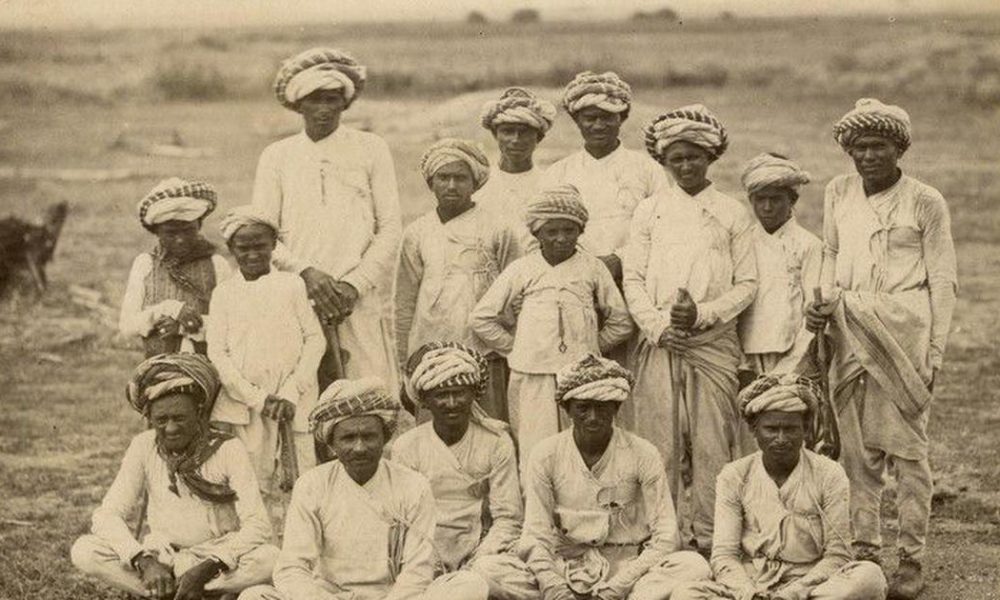
The resistance movements of the Bhil tribes against the Rajputs, Marathas, and British colonial powers form a significant chapter in the history of India’s tribal struggles. A recent book sheds light on these revolts, particularly focusing on regions such as Khandesh, Barwani, and Alirajpur. These areas, while geographically adjacent, experienced unique challenges and governance dynamics that influenced the course of the Bhil rebellions.
Historically, Khandesh, Barwani, and Alirajpur were ruled by Rajput thakurs, under the overarching control of British authorities. Despite their proximity, these regions maintained a level of autonomy until India achieved independence. Following the British establishment of power in Khandesh, a significant push for the settlement of Bhil tribes began in Barwani around 1833. This settlement process, supervised by military forces, heightened tensions, as Bhil chiefs expressed their growing dissatisfaction over the erosion of their traditional rights.
As the British authorities attempted to impose their rule, the Bhil tribes found themselves caught in a web of oppression. The situation escalated when the British failed to honor their commitments related to revenue shares, which the Bhils had been promised. By the late 1830s, the growing unrest among the Bhil tribes led to acts of vandalism as a form of protest. The colonial strategy soon shifted to a more aggressive stance, focusing on military action against the rebellious tribes.
During the early 1840s, British officials conducted inspections of the Barwani forests to validate the claims made by Bhil chiefs. However, indifference from the Rajput rulers meant that the grievances of the Bhil tribes remained largely unaddressed. This lack of response allowed the cycle of raids and counter-raids to continue unabated, leading to a prolonged period of conflict between the Bhils and colonial forces.
The book not only chronicles the events of these revolts but also serves as a reminder of the resilience of the Bhil tribes in the face of oppressive rule. Their struggle highlights an often-overlooked aspect of Indian history, illustrating the complex interplay between tribal rights and colonial ambitions. As India continues to reflect on its multifaceted past, works like this contribute to a deeper understanding of the historical grievances that have shaped tribal dynamics in the country.
Source: scroll.in







No Comment! Be the first one.