

Punjabi Poet Kanwar Mohinder Singh Bedi Reflects on Urdu’s Struggles in New Memoir
In his recently published memoir, renowned Punjabi poet Kanwar Mohinder Singh Bedi opens up about his deep-rooted affection for the Urdu language, while shedding light on the challenges it has faced...

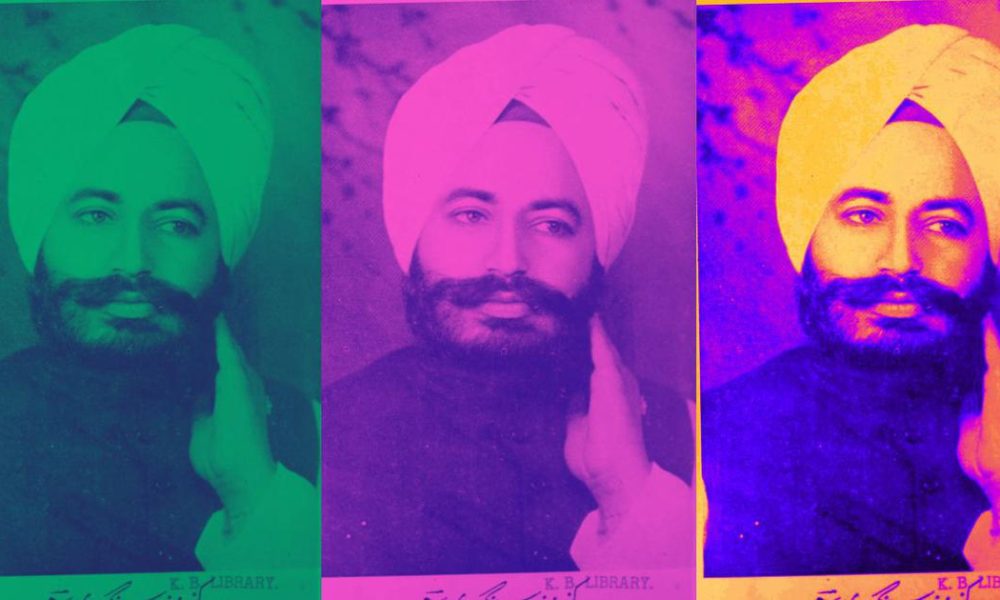
In his recently published memoir, renowned Punjabi poet Kanwar Mohinder Singh Bedi opens up about his deep-rooted affection for the Urdu language, while shedding light on the challenges it has faced since the Partition of India. Bedi’s reflections serve as a timely reminder of the historical and cultural significance of Urdu, a language often marginalized in the wake of political and social upheaval.
Following Partition in 1947, Urdu became a target of prejudice, often dismissed as merely the language of Muslims amidst rising religious and regional tensions. This sentiment was compounded by the forced promotion of Hindi as the national language, which many perceived as an imposition rather than an organic choice of the populace. The fervor for Hindi led to significant backlash, particularly in southern regions like Madras, where massive protests erupted against its enforcement, igniting a long-standing agitation that resonates even today.
Bedi recalls how, during this tumultuous period, Urdu newspapers and literary journals faced a grim fate, struggling for survival as public support waned. Despite their efforts, which included delegations appealing to various political authorities and resolutions aimed at securing Urdu’s rightful place in Indian society, the push for recognition was met with resistance. Prominent politicians, including Prime Minister Jawaharlal Nehru and Indira Gandhi, publicly expressed admiration for Urdu, while Giani Zail Singh, then President of India, delivered impassioned speeches advocating for the language.
Yet, despite these high-profile endorsements, the journey towards recognizing Urdu as a regional language proved arduous. It wasn’t until Bihar took the initiative as the first state to grant Urdu official status that a sense of progress materialized. Bedi emphasizes the need for continued advocacy to ensure that Urdu receives the respect and recognition it deserves, not just as a language, but as a vital thread in the intricate tapestry of India’s cultural heritage.
As Bedi’s memoir unfolds, it not only highlights the struggles of Urdu but also celebrates the resilience of its speakers and proponents. Through personal anecdotes and historical commentary, he urges readers to appreciate Urdu not merely as a language but as a symbol of unity and diversity in a nation that thrives on its cultural multiplicity. The story of Urdu is a testament to the enduring spirit of its community, a narrative that Bedi is determined to keep alive through his poignant words.
Source: scroll.in






No Comment! Be the first one.