

Delivery Workers Brave the Heat: The Struggles of India’s Gig Economy
In the blistering heat of Delhi, delivery workers continue to toil under oppressive conditions, driven by necessity and the lack of viable alternatives. Rakesh Sahu, a 30-year-old delivery agent for...

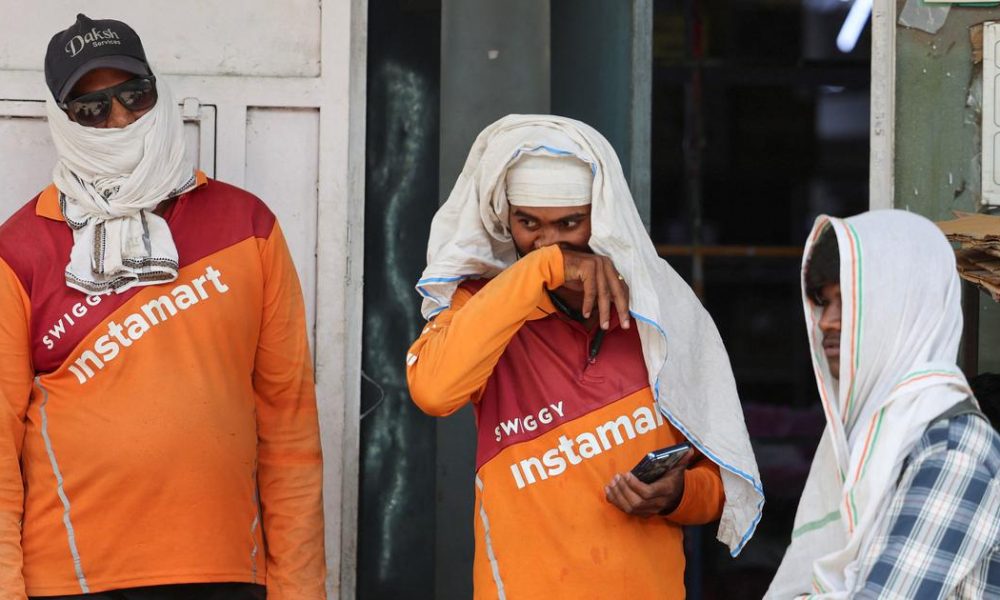
In the blistering heat of Delhi, delivery workers continue to toil under oppressive conditions, driven by necessity and the lack of viable alternatives. Rakesh Sahu, a 30-year-old delivery agent for Swiggy from Jaunpur, Uttar Pradesh, exemplifies this relentless spirit. “Whether it’s scorching hot or pouring rain, we have no choice but to work,” he shares, highlighting the daily struggles faced by many in the gig economy.
As of 2020-21, India boasted approximately 7.7 million gig workers, a number that is anticipated to surge to 23 million by 2029-30. However, these workers face numerous challenges, particularly during the sweltering summer months. Working shifts that often stretch to 12 hours, many delivery agents lack basic provisions such as shade, potable water, and access to restrooms. The absence of social security measures, paid leave, or any financial safety net means that taking a day off is often not an option.
Ankit Soni, a 22-year-old from Siwan in Bihar and a three-year veteran of the same company, sheds light on the physical toll the job takes. He recounts a common scenario: “When we have to climb three to five floors in an apartment complex, we often feel dizzy. In many buildings, the management won’t even let us use the elevators, adding to the burden of our work.” Soni’s words reflect the harsh realities faced by countless gig workers across the country.
In early April, during a visit to Khadak Singh Da Dhaba in Malviya Nagar, he emphasized how the weather exacerbates their already challenging tasks. The ‘loo’—a hot, dry wind that sweeps through the region—makes conditions even more unbearable. As they navigate the streets and deliver food, these workers are often left vulnerable to the elements, with little to no relief.
The economic imperatives of gig work leave many trapped in a cycle of overwork and underpaid labor. Despite the rise of the gig economy, which offers flexibility and quick employment opportunities, the lack of safety nets means that the workers’ well-being often takes a backseat. The stories of Rakesh Sahu and Ankit Soni serve as a poignant reminder of the challenges faced by India’s delivery workforce as they brave the elements, striving to make a living in a rapidly changing economic landscape.
Source: scroll.in







No Comment! Be the first one.