

Allahabad High Court Upholds Public Order, Denies Namaz Petition on Alleged Private Land
The Allahabad High Court has recently put forth a significant ruling emphasizing the limitations surrounding the practice of religious activities in public spaces. The court dismissed a petition...

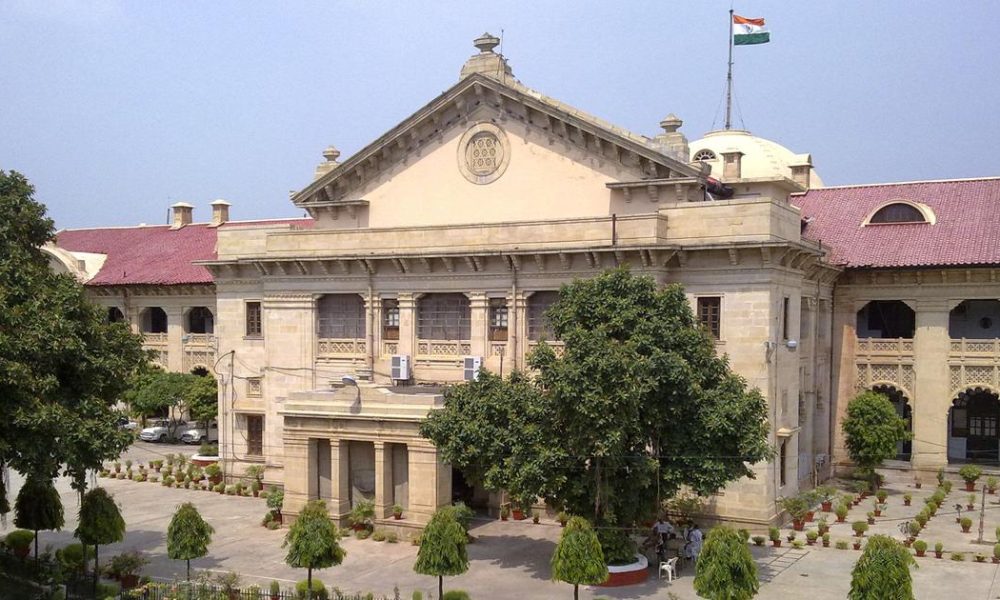
The Allahabad High Court has recently put forth a significant ruling emphasizing the limitations surrounding the practice of religious activities in public spaces. The court dismissed a petition filed by Aseen, a resident of Ikona village in Sambhal district, who sought permission to perform namaz on land he claimed to be privately owned. The Uttar Pradesh government contended that the land in question was designated for public use, and thus, Aseen did not possess the legal rights to conduct religious activities there.
In their judgement delivered on April 6, Justices Saral Srivastava and Garima Prashad highlighted that the right to practice religion is not absolute. They stated that such rights must align with public order and cannot infringe upon the rights of others. This ruling underscores the delicate balance between individual religious freedoms and the collective rights of the community.
Aseen argued in his petition that the authorities were violating his fundamental right to freedom of religion by preventing him from offering prayers. He based his claim of ownership on a gift deed dated June 2023, which he believed entitled him to seek protection and permission from the district magistrate for conducting his prayers. However, the government’s stance was firm, asserting the land was meant for public use and did not fall under Aseen’s ownership.
During the hearings, Aseen’s legal counsel referenced several earlier court orders that had allowed religious gatherings on private property without requiring formal permissions. These precedents, issued between January and March, appeared to support Aseen’s case; however, the High Court maintained its position, reiterating that the right to religious practice must coexist with the public interest.
This judgement is emblematic of the broader discussion around the intersection of religion, law, and public order within India, where community dynamics often play a crucial role in legal interpretations. The decision serves as a reminder that while individuals have the right to their beliefs, these rights are subject to prevailing laws that prioritize the larger community’s welfare.
Source: scroll.in



No Comment! Be the first one.