

Rethinking Diet: Wellness Coach Champions Portion Control as the Key to Healthy Eating
In the quest for weight loss, many people often overlook a fundamental aspect of healthy eating: portion control. While the temptation to overindulge in a delicious meal can be overwhelming,...

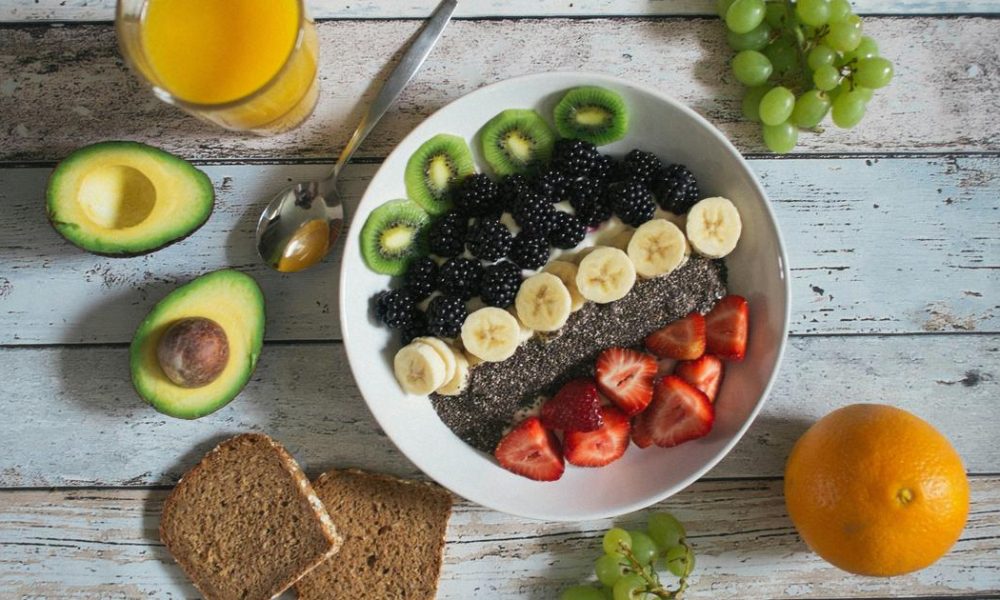
In the quest for weight loss, many people often overlook a fundamental aspect of healthy eating: portion control. While the temptation to overindulge in a delicious meal can be overwhelming, especially when it’s right in front of us, the real challenge lies in managing that impulse. A new book by a prominent wellness coach sheds light on this essential practice, suggesting that mastering portion sizes could be the unsung hero in the journey toward a balanced diet.
Many individuals find themselves grappling with the immediate desire to eat beyond their limits, but the key to overcoming this challenge lies in outsmarting that impulse. A gentle reminder to ourselves can go a long way: food will still be available tomorrow. By saving some for later, we can curb the fleeting joy of overeating that often results in lasting discomfort and extra weight. Scientific research supports this idea, highlighting that individuals who maintain a lean physique tend to have one common habit—they instinctively stop eating before they actually feel full.
This principle is not confined to any one culture, as it resonates across various global traditions. The Japanese philosophy of Hara Hachi Bu, which encourages individuals to eat until they are about 80% full, is one such example. Similarly, Ayurvedic practices recommend leaving one-third of the stomach empty to promote effective digestion. In Mediterranean cultures, meals are typically enjoyed in a leisurely manner and in communal settings, involving smaller portions of nutrient-rich foods. This approach not only fosters moderation but also enhances the overall dining experience, making it less about quantity and more about quality.
In India, where diverse food traditions prevail, the importance of portion control cannot be overstated. With a rich culinary heritage that includes numerous flavorful and tantalizing dishes, one may often find it difficult to resist the urge to overeat. However, Indian dietary wisdom also echoes similar sentiments, emphasizing balance and moderation. Traditional meals often involve multiple smaller dishes, encouraging diners to sample a variety rather than indulge excessively in one.
Ultimately, the challenge of portion control is about adjusting our mindset. By integrating these mindful practices into our daily routines, we can learn to appreciate food without the compulsion to overindulge. As we embark on this journey of self-awareness around food, we unlock the potential to create healthier relationships with what we eat and pave the way for lasting wellness.
Source: scroll.in







No Comment! Be the first one.