

Raja Shivaji: An Uneven Historical Journey Through the Life of a Maratha Icon
The latest film from Riteish Deshmukh, titled ‘Raja Shivaji’, marks his second venture as a director and delves into the transformative journey of Shivaji Shahaji Bhonsle, who rises to...

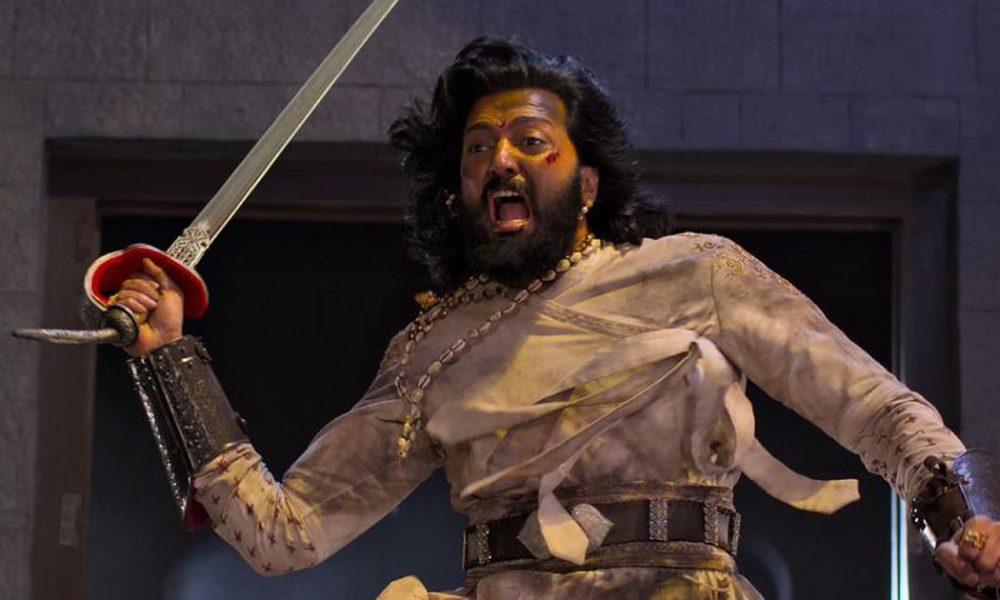
The latest film from Riteish Deshmukh, titled ‘Raja Shivaji’, marks his second venture as a director and delves into the transformative journey of Shivaji Shahaji Bhonsle, who rises to become the revered Chhatrapati Shivaji Maharaj. This historical narrative arrives amidst intense discussions surrounding its title, which was recently defended in court against claims of being derogatory, further stoking the fires of regional pride and identity.
Set in the mid-17th century, ‘Raja Shivaji’ paints a vivid picture of a region that would become Maharashtra, currently under the sway of the Deccan Sultanate. The film’s backdrop reveals a landscape marred by chaos, where betrayal and violence are commonplace, cast against the turbulent political dynamics of the time. Deshmukh, who also plays the titular role, explores the nature of nobility in this historical recounting, showcasing the struggles faced by Shivaji’s family amidst external pressures and internal loyalties.
As the narrative unfolds, viewers are introduced to Shivaji’s parents, Shahaji Bhonsle and Jijabai, portrayed by Sachin Khedekar and Bhagyashree Patwardhan, respectively. The couple navigates a treacherous political environment, ruled whimsically by the eccentric Adil Shah, played by Amole Gupte, and his astute wife Khadija, portrayed by Vidya Balan. As the film progresses, it becomes evident that the Bhonsles are caught in a web of manipulation and power plays, waiting for the right moment to instigate change through their sons, Shivaji and Sambhaji.
When Shivaji (Deshmukh) and his brother Sambhaji (Abhishek Bachchan) mature, they rise against the oppressive Deccan sultans, challenging the status quo and igniting a rebellion that would lay the foundation for a new era in Indian history. The film, though ambitious in its storytelling, has been critiqued for its pacing and conventional narrative style, failing to capture the full intensity of Shivaji’s revolutionary spirit. Critics suggest that the film relies too heavily on historical tropes, which may alienate viewers looking for a more dynamic portrayal.
Despite its shortcomings, ‘Raja Shivaji’ offers a glimpse into the resilience and courage that characterized a pivotal moment in Indian history. As a film that seeks to honor the legacy of a legendary figure, it serves as a reminder of the enduring relevance of historical narratives in shaping contemporary cultural identities. While it may not fully resonate with all audiences, it certainly underscores the importance of remembering and celebrating the heroes of our past.
Source: scroll.in







No Comment! Be the first one.